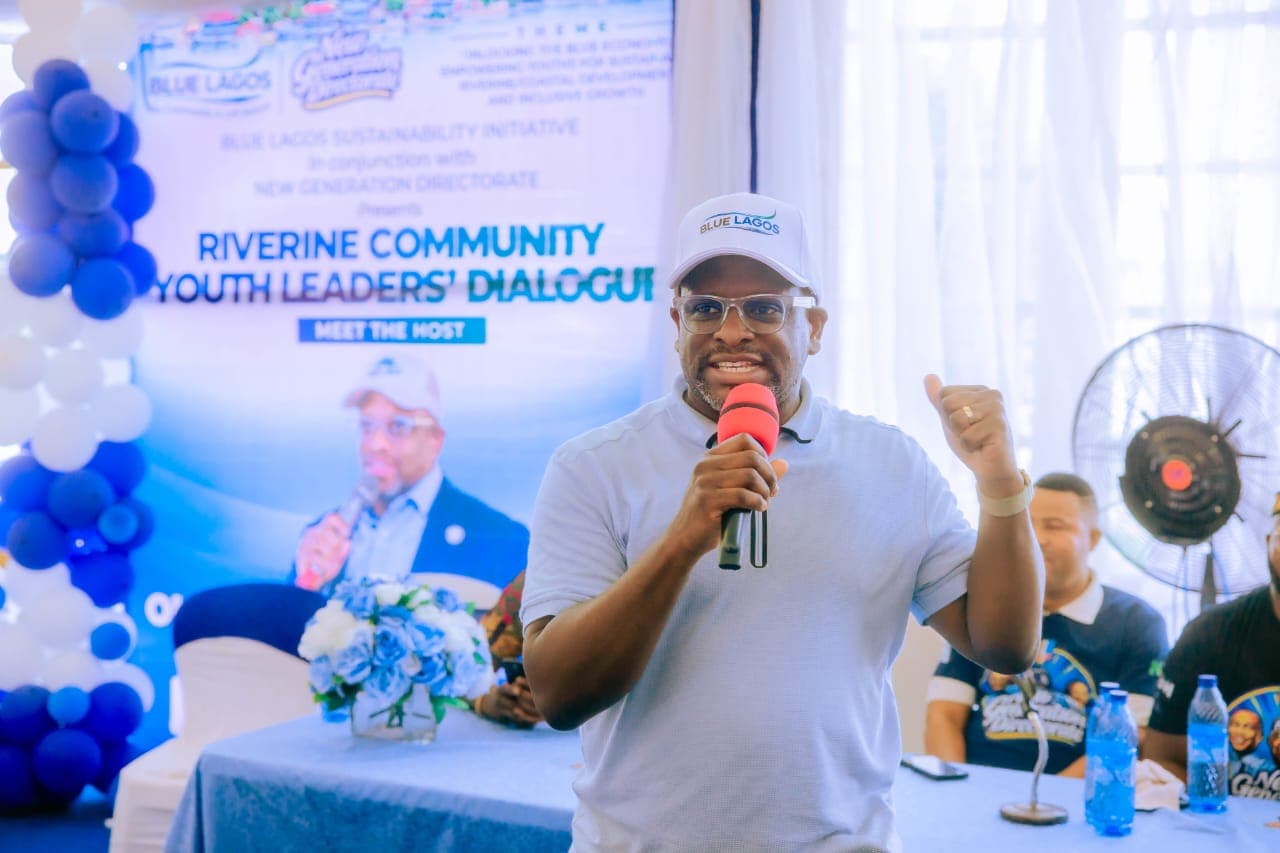
The development of Lagos State’s riverine communities depends not only on investment in infrastructure and public services but also on how effectively government responds to the needs of the people who live there. A youth dialogue held at Badore Ferry Terminal, Ajah, has brought this challenge into focus, placing grassroots participation at the centre of discussions on inclusive development.
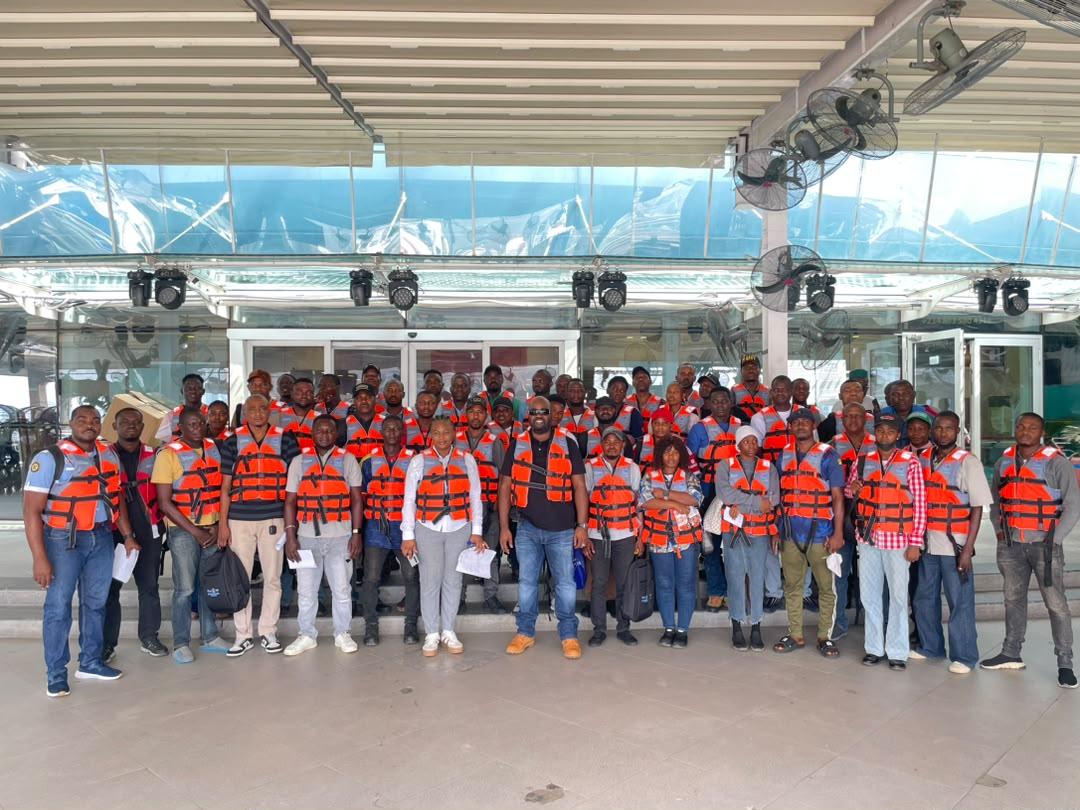
The Blue Lagos Sustainability Initiative, in collaboration with the New Generation Directorate, convened 250 young people representing 125 riverine and coastal communities across Lagos State to discuss local challenges, development priorities and opportunities for stronger engagement with government.
The dialogue provided a platform for participants to identify gaps in essential services and present recommendations on issues affecting their communities. These included education, healthcare, employment, transportation, infrastructure, environmental sustainability, youth empowerment and access to government programmes.
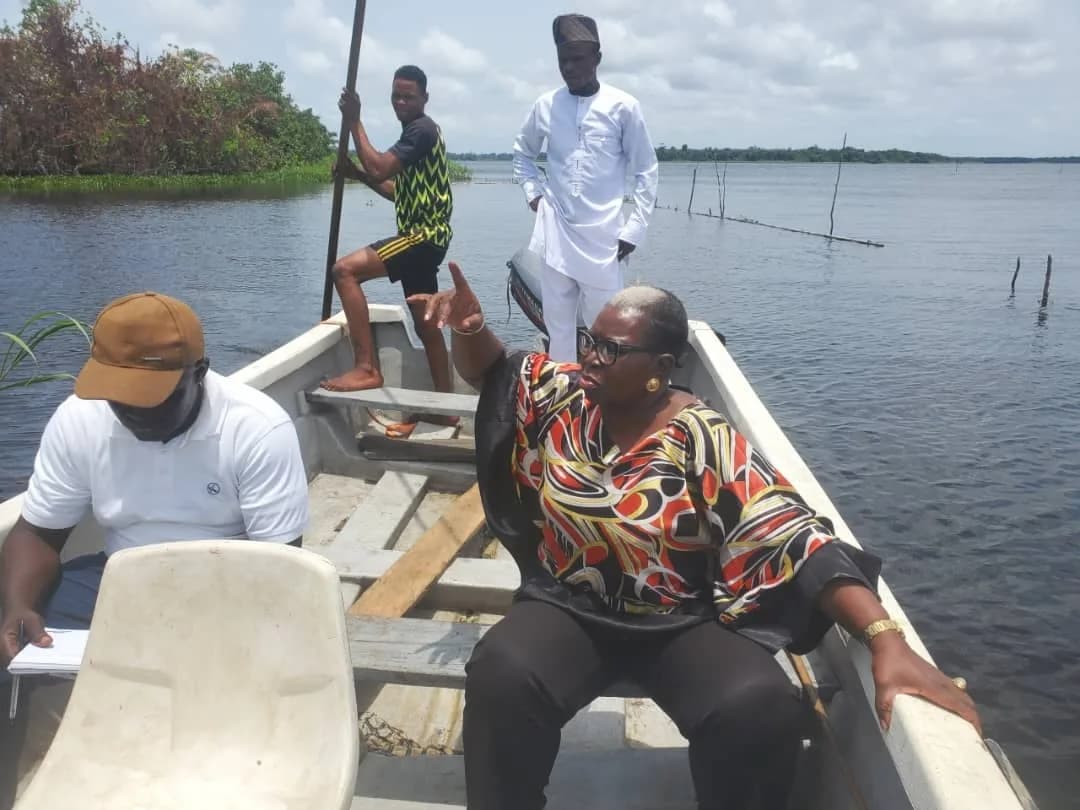
For riverine settlements, geographical barriers can complicate access to essential services and economic opportunities. Where waterways are central to daily movement, the availability, affordability and safety of transportation can influence access to schools, healthcare facilities, markets and workplaces.
The engagement therefore raises an important question about how government can better incorporate the realities of these communities into development planning.
FROM COMMUNITY CONCERNS TO GOVERNMENT ACTION
Speaking at the event, Mr Oluwadamilola Emmanuel, Special Adviser to the Governor of Lagos State on Blue Economy and host of the dialogue, emphasised the importance of engaging young people in governance and the development of coastal and riverine communities.
He stressed the need for effective communication between government and grassroots communities, noting that meaningful development requires listening to residents, understanding their needs and incorporating their perspectives into planning and implementation.
In response to the issues raised, Emmanuel assured participants that their requests and recommendations would be presented to the appropriate government authorities for consideration and necessary action.
Princess Damilola Sonayon James, APC Deputy Governorship Candidate in Lagos State and Director of the New Generation Directorate, encouraged young people to participate actively in governance and the decisions shaping their future.
She urged youth leaders to move beyond expressing grievances to proposing solutions, engaging constructively with decision makers and contributing to development at community and state levels. She also emphasised the importance of unity, organisation and sustained participation in building responsive leadership.
Mr Mobolaji Ogunlende, Commissioner for Youth and Social Development, also engaged with participants alongside other stakeholders from the New Generation Directorate. Discussions covered youth development, employment and livelihood opportunities, social services, infrastructure and the specific challenges facing riverine and coastal settlements.
The participation of 250 young people representing 125 communities offers a broad channel for communicating grassroots priorities. However, the value of such engagement will ultimately depend on whether the concerns raised lead to identifiable government responses and measurable improvements in residents’ lives.
THE BLUE ECONOMY DEVELOPMENT IMPERATIVE
The dialogue carries significance for Lagos State’s blue economy ambitions. The state’s waterways and coastal settlements support economic activities and livelihoods linked to transportation, trade, tourism and other maritime related services. Yet the potential of this ecosystem cannot be assessed solely through commercial investment and economic output. The welfare of communities that depend on these waterways must also form part of the development equation.
Environmental sustainability, access to essential services and economic opportunity are interconnected. The condition of waterways affects livelihoods, while inadequate transportation and infrastructure can limit access to education, healthcare and employment. Addressing these challenges requires development interventions that reflect the circumstances of individual communities and coordination among the relevant government institutions.

The dialogue provides an opportunity to organise community submissions into clear priorities, identify responsible agencies and establish channels for tracking progress. Regular feedback to youth representatives could also help communities understand how their concerns are being considered and what action is planned.
For the Blue Lagos Sustainability Initiative and the New Generation Directorate, the engagement represents an effort to strengthen grassroots participation and bring young people into conversations about governance and development.
The next test is continuity. A dialogue can establish contact between communities and government, but sustained engagement, institutional coordination and transparent follow through are necessary to turn consultation into results.
PRIMEAXIS INSIGHT
Lagos State’s blue economy ambitions must be measured not only by the economic value generated from its waterways but also by the opportunities and quality of life available to the people living along them.
The dialogue has created a platform for 125 riverine and coastal communities to communicate their priorities through youth representatives. Its lasting value will depend on whether those priorities influence public planning, institutional action and the delivery of essential services.
Representation gives communities a voice. Responsiveness gives that voice value. For inclusive blue economy development to become a reality, riverine communities must be more than participants in consultations. They must be able to see their needs reflected in decisions and their concerns addressed through tangible outcomes.