


Conversations Shaping Africa's Maritime Future
Unfiltered dialogue with the leaders defining Africa's blue economy.

SEYI OLUYEDE
General Manager
Maritime Shipping & Ocean International Resources Ltd. (MSOIR)
Nigeria generates substantial demand for maritime and shipping services, yet indigenous participation in international shipping remains a major industry concern. Developing a stronger Nigerian fleet requires more than acquiring vessels. It requires competent operators, access to finance, reliable cargo, effective ship management and the capacity to maintain and eventually build vessels locally.

Alhaji Aminu Umar
President, Managing Director, Board Member.
Nigerian Chamber of Shipping, International Chamber of Shipping, Sea Transport Services Nigeria Limited
Nigeria has one of Africa’s largest maritime markets, a significant cargo base and an economy that depends heavily on shipping. Yet the ability to own, finance, operate and manage the vessels that serve this market remains a major challenge for indigenous operators.

Abdullazeez Babatunde Mukaila
Managing Director/CEO
Mickey Excellency Nig. Ltd
Nigeria’s port and cargo clearance environment is at an important point of transition.

Oluwadamilola Emmanuel
General Manager & Special Adviser to the Lagos State Governor on Blue Economy
Lagos State Waterways Authority (LASWA)
With the Blue Economy becoming a more defined part of Lagos State development agenda, the opportunity extends beyond water transportation to maritime infrastructure, investment, tourism, fisheries, technology, skills, environmental sustainability and the creation of new economic value around the state extensive aquatic resources.
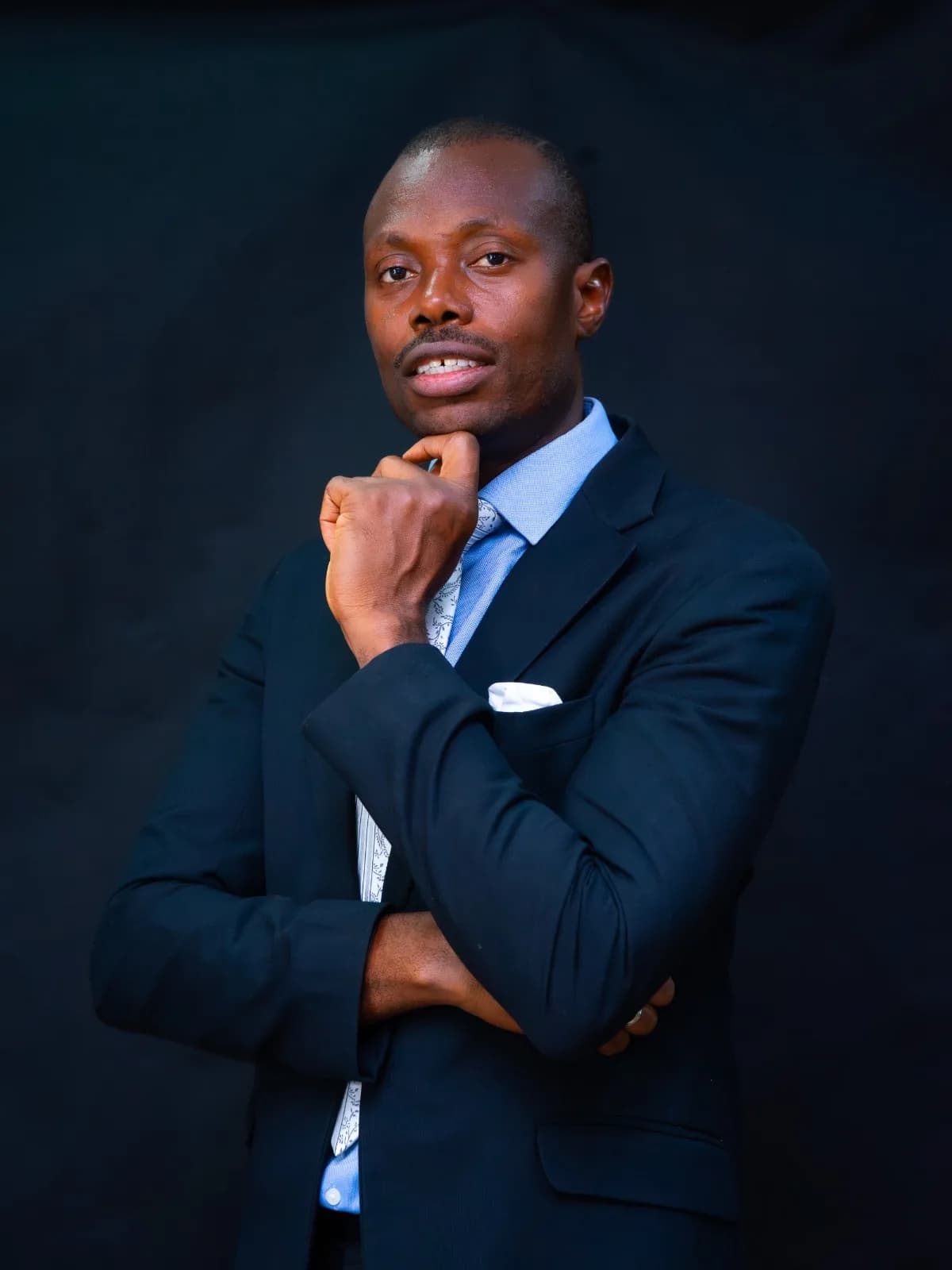
Jama Onwubuariri
Managing Director
TTP Ltd
Africa’s trade ambitions increasingly depend not only on physical ports, roads and border infrastructure, but on the digital systems that connect cargo, vehicles, terminals, regulators and trade corridors.

Abdulkadir Ahmed
Managing Director/Chief Executive Officer
NLNG Shipping and Marine Services Limited (NSML)
As the global shipping industry becomes increasingly shaped by stringent safety requirements, technological change, environmental standards and increasingly sophisticated marine operations, the quality of Nigeria’s maritime workforce will determine how effectively the country can participate in and compete within the global maritime economy.
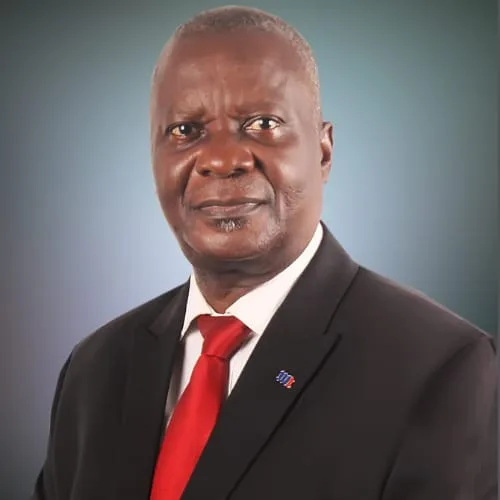
Dr. Obiora Madu
Chairman, Multimix Group
Trade, Logistics & Supply Chain Expert
Trade corridors remain fragmented. Logistics costs remain high. Supply chains are vulnerable to disruption. Digital systems do not always communicate with one another, while the skills required to manage increasingly complex supply chains remain uneven.
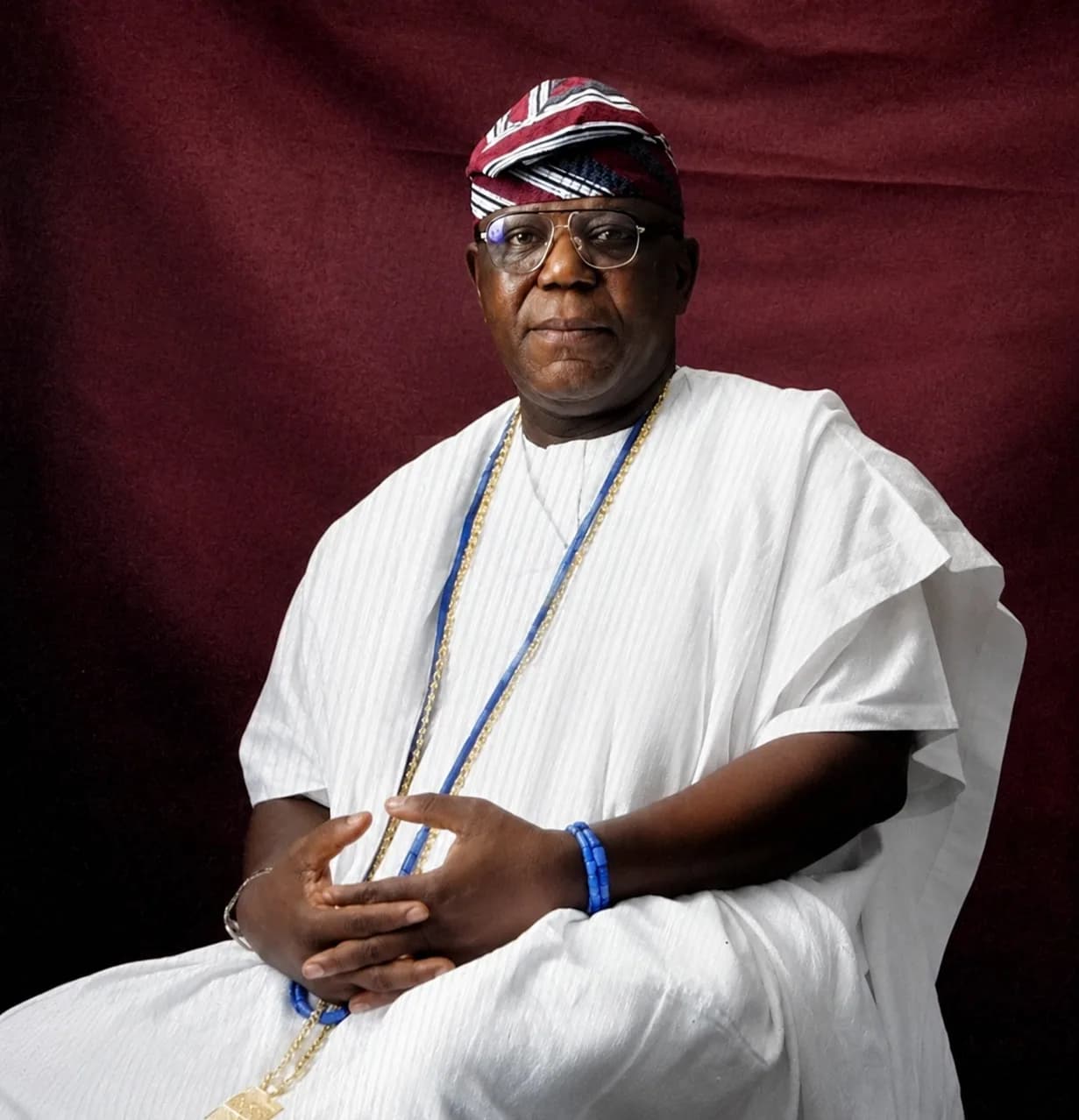
Prince Olusegun Oduntan
Managing Director & CEO, Settle Systems Nigeria Limited
National Vice President, Association of Nigerian Licensed Customs Agents (ANLCA)
In this Executive Conversation, Prince Olusegun Oduntan, National Vice President of ANLCA, examines the challenges affecting Nigeria’s trade and freight-forwarding ecosystem, from policy unpredictability and port delays to fragmented clearance processes. He emphasises that transparency, coordination and predictability are essential if Nigeria is to reduce trade costs and compete effectively under AfCFTA. “You cannot determine anything when the process is not predictable.”
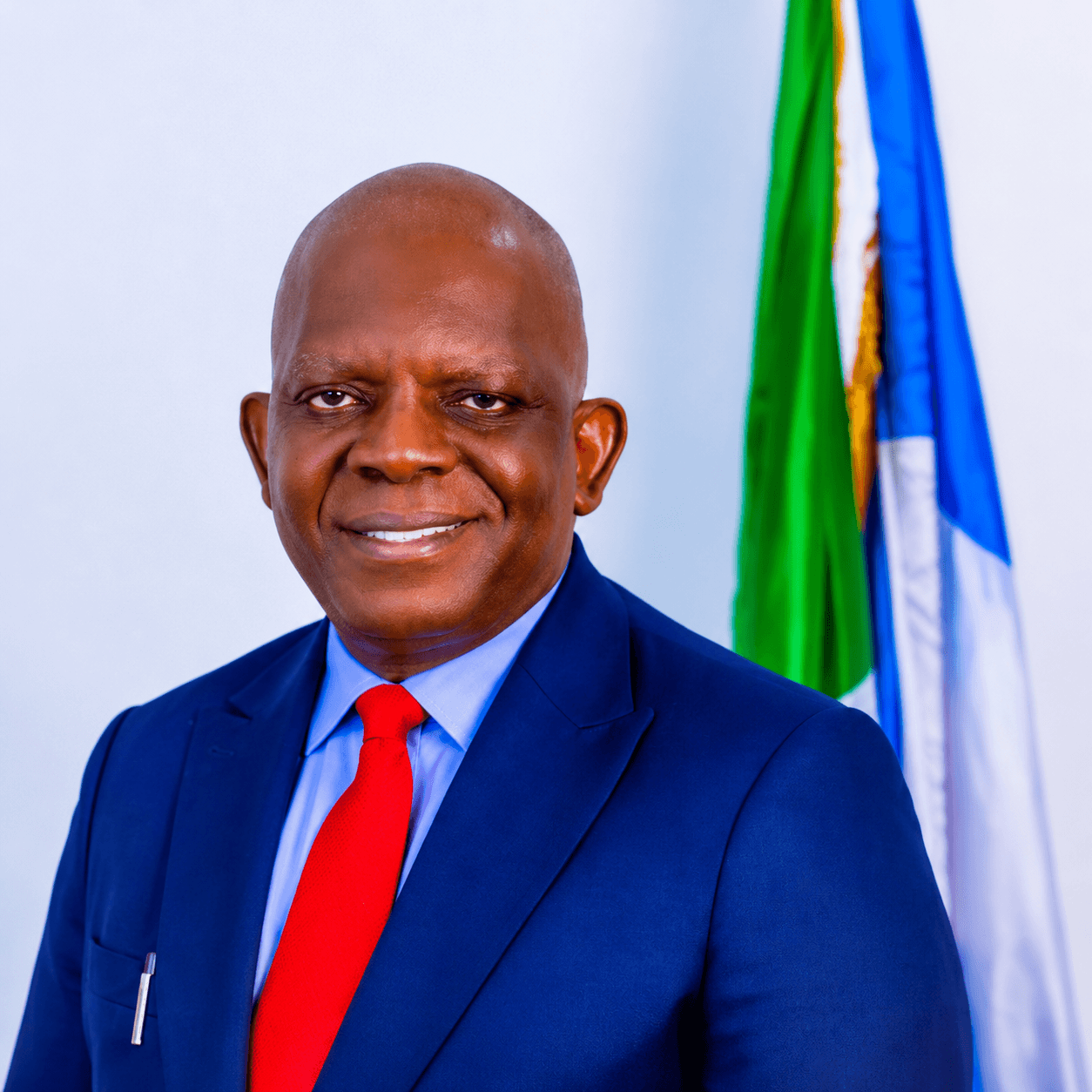
Dr. Pius Akutah, MON
Executive Secretary & CEO
Nigerian Shippers' Council
Africa’s maritime future is increasingly tied to the efficiency of its ports, logistics systems, and trade corridors. As Nigeria deepens its focus on the Marine and Blue Economy, the Nigerian Shippers' Council (NSC) is undergoing a major institutional transformation—from a traditional shipper protection agency into a broader economic regulator for the port and logistics sector.
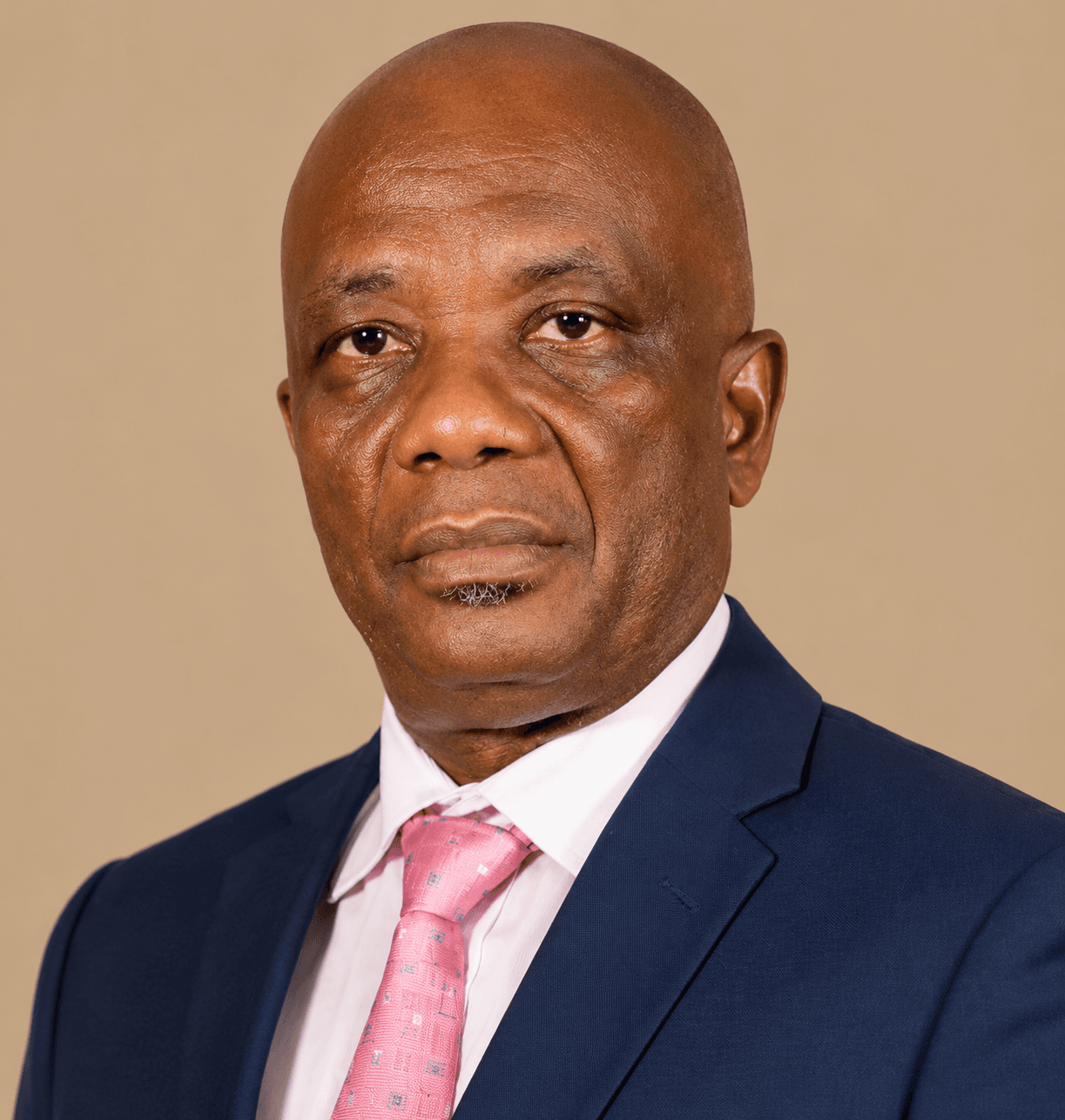
Capt. Sunday M. Umoren
Secretary-General, Abuja Memorandum of Understanding (Abuja MoU) on Port State Control for West and Central Africa
Port State Control for West and Central Africa
The eradication of substandard ships remains the primary mandate of the Abuja MoU regime. Every activity we undertake—capacity building, inspector training, technical cooperation, and harmonisation of inspection procedures—is directed toward this objective.
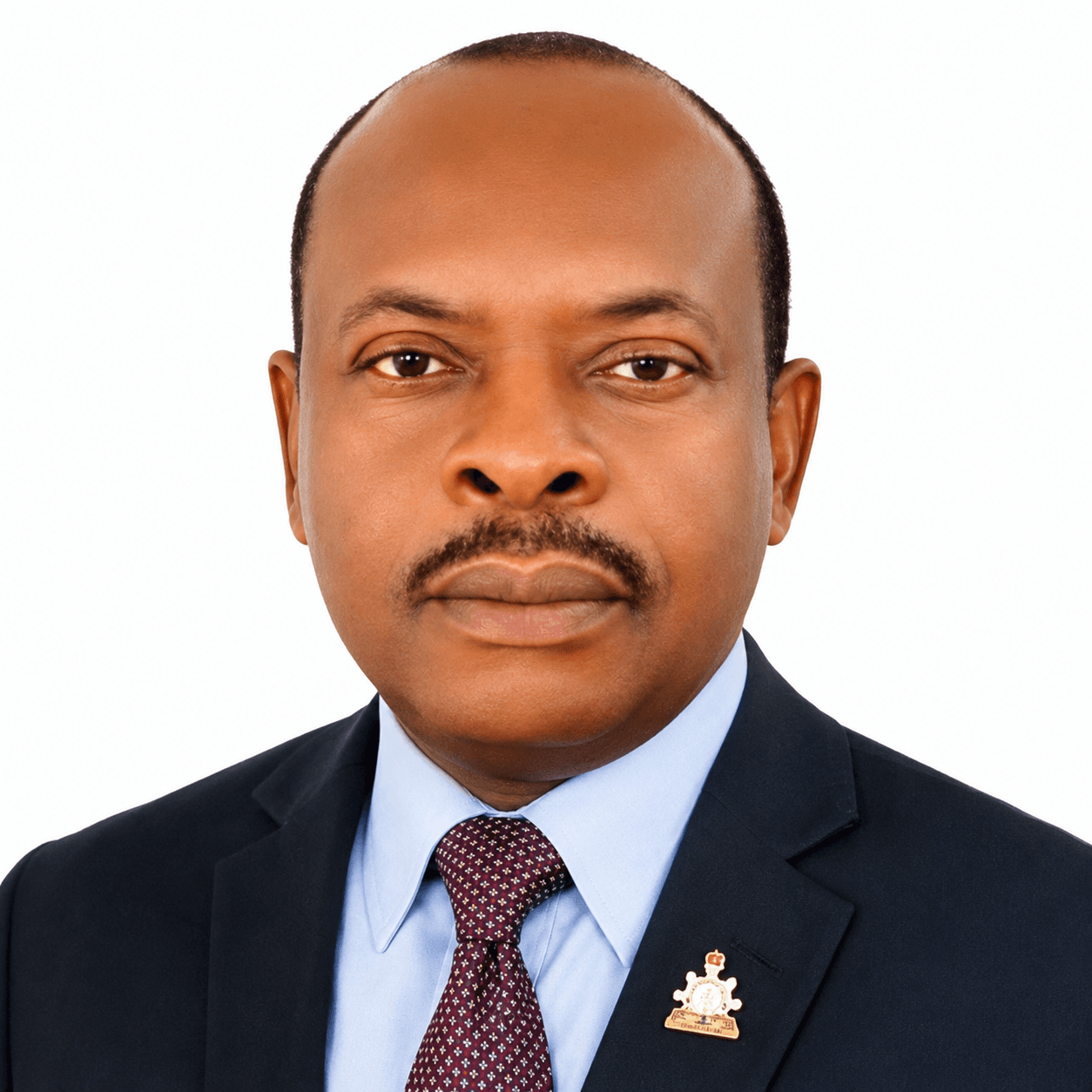
Dr. Kevin Okonna
Acting Rector, Maritime Academy of Nigeria (MAN)
Maritime Academy of Nigeria (MAN), Oron
One of our key achievements has been strengthening academic and operational stability while improving training delivery systems. We have recruited 11 maritime professional lecturers, including three Master Mariners and two marine engineers. One of them is an internationally recognised simulator training expert.