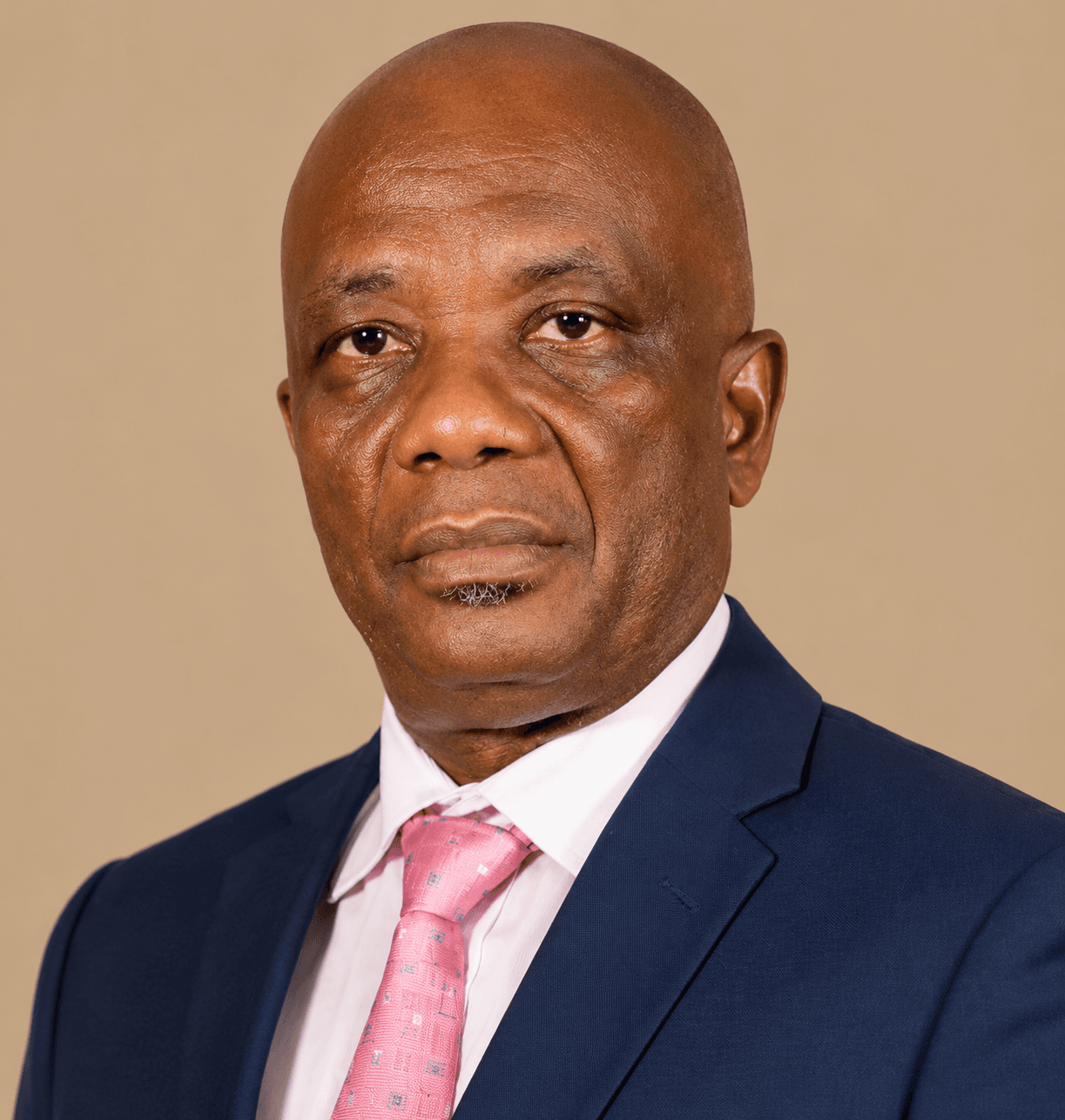
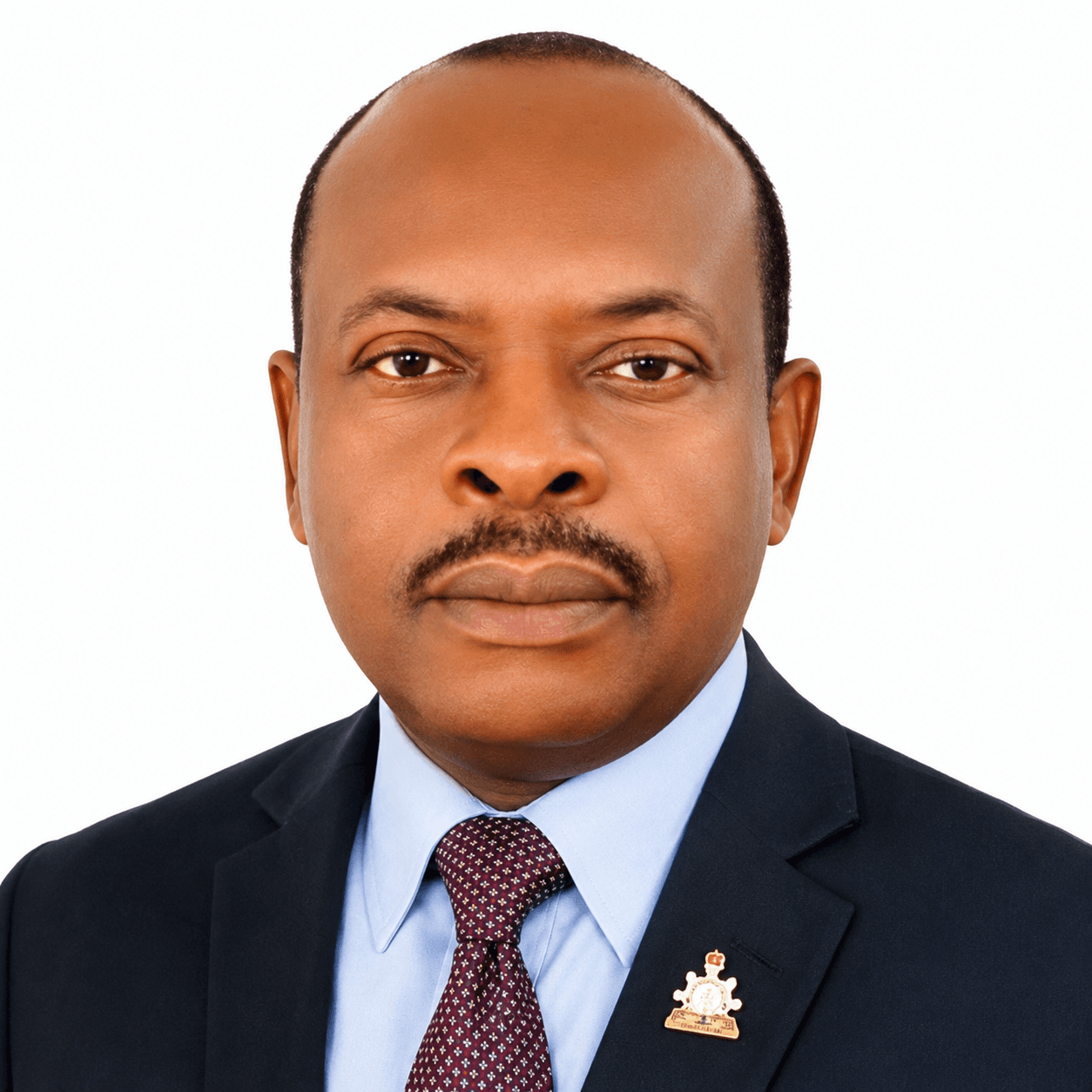
Capt. Sunday M. Umoren
Secretary-General, Abuja Memorandum of Understanding (Abuja MoU) on Port State Control for West and Central Africa
Port State Control for West and Central Africa
“How Abuja MoU is Raising the Bar on Maritime Safety in West and Central Africa”
The eradication of substandard ships remains the primary mandate of the Abuja MoU regime. Every activity we undertake—capacity building, inspector training, technical cooperation, and harmonisation of inspection procedures—is directed toward this objective.
Africa's maritime future depends not only on bigger ports or increased cargo volumes, but also on safer ships, stronger regulatory institutions, and effective regional cooperation.
Port State Control is one of the most important safeguards against substandard shipping. It protects lives at sea, facilitates international trade, preserves the marine environment, and strengthens confidence in Africa's Blue Economy.
In this Executive Conversation, Captain Sunday Michael
Umoren, Secretary-General of the Abuja Memorandum of Understanding (Abuja MoU),
discusses efforts to eliminate substandard ships, strengthen Port State Control
across West and Central Africa, improve seafarer mobility, combat marine
pollution, and build one of the world's leading regional Port State Control
regimes.
“A uniform Port State Control regime across West and Central Africa will make it increasingly difficult for substandard ships to operate within our waters.”
TRANSCRIPT REF: EC-2026-002 · RECORDED: 24 June 2026 · STATUS: ON RECORD
One of the core objectives of the Abuja MoU is strengthening maritime safety through effective Port State Control while supporting the development of competent maritime professionals across the region. A major concern for many Nigerian and African seafarers remains the international acceptability of their Certificates of Competency (CoCs). Without broader recognition, many qualified seafarers struggle to access international opportunities. What role is Abuja MoU playing in improving CoC recognition and creating greater mobility for seafarers within the region?
The acceptability of Certificates of Competency is fundamentally a Flag State responsibility. Every member state of the International Maritime Organization (IMO) is responsible for ensuring that the certificates it issues comply with international standards and are recognised internationally.
I am aware that the Director-General of NIMASA and the
Honourable Minister of Marine and Blue Economy are working diligently towards
achieving wider international recognition of Nigeria's Certificates of
Competency.
Once fully adopted and implemented, the NCV Code will
significantly improve regional labour mobility by enabling qualified seafarers
to work across participating countries without unnecessary certification
barriers. This will create employment opportunities, strengthen regional
maritime capacity and build a more competitive African maritime workforce.
Regional cooperation in this area has significant potential to benefit both seafarers and maritime administrations.
The eradication of substandard ships remains the core mandate of the Abuja MoU. Beyond Port State Control inspections, do current statistics show measurable progress in reducing substandard vessels?
The eradication of substandard ships remains the primary
mandate of the Abuja MoU regime. Every activity we undertake—capacity building,
inspector training, technical cooperation, and harmonisation of inspection
procedures—is directed toward this objective.
According to the Abuja MoU 2025 Annual Port State Inspection Data (APSID), 16 member authorities conducted 3,948 inspections, identifying 1,571 deficiencies and resulting in 24 vessel detentions where serious deficiencies warranted enforcement action.
These figures reflect more than inspection activity. They
demonstrate stronger regional participation, improved enforcement capacity, and
increasing harmonisation of Port State Control procedures across West and
Central Africa.
Our goal is not simply to increase inspection numbers, but
to build a uniform inspection regime where internationally accepted standards
are applied consistently across all member authorities. As this system matures,
it becomes increasingly difficult for substandard ships to operate within our
waters.
Foreign-flagged vessels account for a significant share of maritime trade across Africa, and marine pollution remains a persistent concern. What more can be done to reduce oil spills and pollution linked to shipping activities?
The first line of defence is preventing substandard vessels
from operating within our waters.
Oil pollution generally falls into two categories:
operational and accidental discharges.
Operational discharges are often deliberate, where operators illegally dispose of oily residues at sea to avoid disposal costs ashore. These actions constitute environmental crimes.
Accidental discharges result from equipment failure, poor
maintenance or human error.
Port State Control plays a vital role in addressing this through inspections that verify compliance with the International Convention for the Prevention of Pollution from Ships (MARPOL).
However, inspections alone are not sufficient.
Maritime surveillance must be strengthened. Countries such
as Singapore deploy advanced monitoring systems, including aircraft and
helicopters capable of detecting oil slicks and tracing them back to
responsible vessels.
When operators know they can be detected, tracked, and
sanctioned, compliance improves significantly. Technology, therefore, serves as
both a deterrent and an enforcement tool.
Abuja MoU has steadily strengthened its regional profile. What is being done to position it among the world's leading Port State Control regimes?
We are making steady progress toward positioning Abuja MoU
among the leading Port State Control regimes globally.
The International Maritime Organization has acknowledged
improvements within the region, although there remains room for further
progress.
Capacity building remains central, as knowledge is critical.
Participation in IMO meetings and technical forums is also essential, as these shape global maritime regulations. However, funding constraints limit participation for some member states.
To bridge this gap, Abuja MoU now provides structured
briefings during its meetings, updating member states on IMO developments,
including Port State Control and Flag State implementation issues.
We are also working with the IMO and development partners to strengthen technical cooperation and institutional capacity across member states.
Our ambition is clear: not only to adopt global best
practices, but to become a pace-setter in maritime safety, Port State Control
and regional maritime cooperation within the developing world.
The Abuja Memorandum of Understanding (Abuja MoU) provides
the regional framework for Port State Control across all 22 eligible coastal
states in West and Central Africa.
With full regional participation achieved, the
organisation’s priority has shifted from expansion to strengthening operational
capacity, ensuring that every maritime administration operates an effective and
sustainable Port State Control regime by 2030.
About Executive Conversations
Executive Conversations is PrimeAxis's flagship interview series, engaging the leaders, regulators, and institution builders shaping Africa's maritime and blue economy future.
Editorial Note: This interview has been edited for clarity, length, and flow while preserving the substance of the conversation.
More Conversations

SEYI OLUYEDE
General Manager
Maritime Shipping & Ocean International Resources Ltd. (MSOIR)
Nigeria generates substantial demand for maritime and shipping services, yet indigenous participation in international shipping remains a major industry concern. Developing a stronger Nigerian fleet requires more than acquiring vessels. It requires competent operators, access to finance, reliable cargo, effective ship management and the capacity to maintain and eventually build vessels locally.

Alhaji Aminu Umar
President, Managing Director, Board Member.
Nigerian Chamber of Shipping, International Chamber of Shipping, Sea Transport Services Nigeria Limited
Nigeria has one of Africa’s largest maritime markets, a significant cargo base and an economy that depends heavily on shipping. Yet the ability to own, finance, operate and manage the vessels that serve this market remains a major challenge for indigenous operators.

Abdullazeez Babatunde Mukaila
Managing Director/CEO
Mickey Excellency Nig. Ltd
Nigeria’s port and cargo clearance environment is at an important point of transition.

Oluwadamilola Emmanuel
General Manager & Special Adviser to the Lagos State Governor on Blue Economy
Lagos State Waterways Authority (LASWA)
With the Blue Economy becoming a more defined part of Lagos State development agenda, the opportunity extends beyond water transportation to maritime infrastructure, investment, tourism, fisheries, technology, skills, environmental sustainability and the creation of new economic value around the state extensive aquatic resources.

Jama Onwubuariri
Managing Director
TTP Ltd
Africa’s trade ambitions increasingly depend not only on physical ports, roads and border infrastructure, but on the digital systems that connect cargo, vehicles, terminals, regulators and trade corridors.

Abdulkadir Ahmed
Managing Director/Chief Executive Officer
NLNG Shipping and Marine Services Limited (NSML)
As the global shipping industry becomes increasingly shaped by stringent safety requirements, technological change, environmental standards and increasingly sophisticated marine operations, the quality of Nigeria’s maritime workforce will determine how effectively the country can participate in and compete within the global maritime economy.
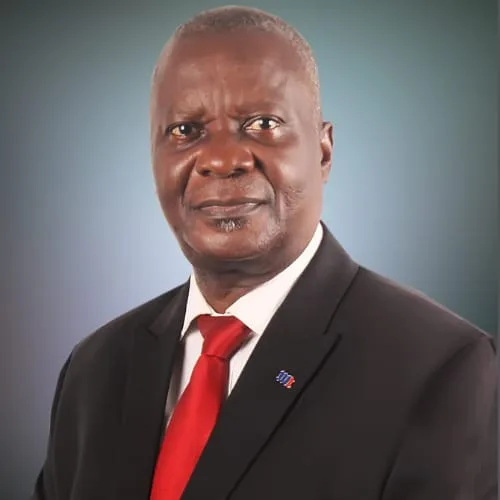
Dr. Obiora Madu
Chairman, Multimix Group
Trade, Logistics & Supply Chain Expert
Trade corridors remain fragmented. Logistics costs remain high. Supply chains are vulnerable to disruption. Digital systems do not always communicate with one another, while the skills required to manage increasingly complex supply chains remain uneven.

Prince Olusegun Oduntan
Managing Director & CEO, Settle Systems Nigeria Limited
National Vice President, Association of Nigerian Licensed Customs Agents (ANLCA)
In this Executive Conversation, Prince Olusegun Oduntan, National Vice President of ANLCA, examines the challenges affecting Nigeria’s trade and freight-forwarding ecosystem, from policy unpredictability and port delays to fragmented clearance processes. He emphasises that transparency, coordination and predictability are essential if Nigeria is to reduce trade costs and compete effectively under AfCFTA. “You cannot determine anything when the process is not predictable.”
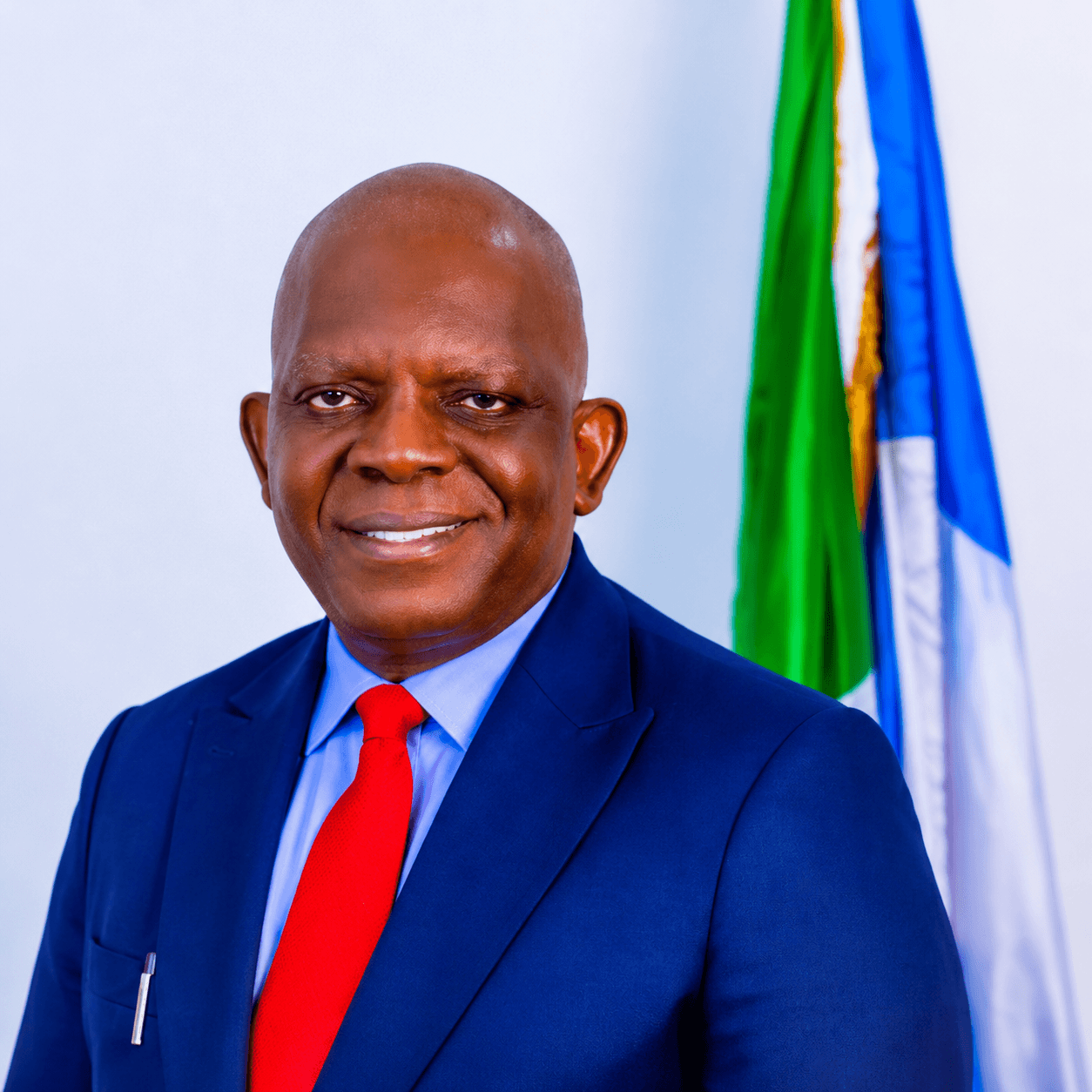
Dr. Pius Akutah, MON
Executive Secretary & CEO
Nigerian Shippers' Council
Africa’s maritime future is increasingly tied to the efficiency of its ports, logistics systems, and trade corridors. As Nigeria deepens its focus on the Marine and Blue Economy, the Nigerian Shippers' Council (NSC) is undergoing a major institutional transformation—from a traditional shipper protection agency into a broader economic regulator for the port and logistics sector.
Dr. Kevin Okonna
Acting Rector, Maritime Academy of Nigeria (MAN)
Maritime Academy of Nigeria (MAN), Oron
One of our key achievements has been strengthening academic and operational stability while improving training delivery systems. We have recruited 11 maritime professional lecturers, including three Master Mariners and two marine engineers. One of them is an internationally recognised simulator training expert.
Stay Ahead of Africa's Maritime Story
Strategic intelligence, policy analysis, and industry perspectives — direct to your inbox, free.