The development of professional capacity in vessel inspection and safety assessment is becoming increasingly important to the future of passenger ferry transportation in Africa. In Lagos, where inland waterways form a significant part of the state's transport network, strengthening the technical competence of maritime personnel is particularly relevant to passenger protection and operational safety.
The Lagos State Waterways Authority (LASWA), in collaboration with international ferry industry association Interferry, has completed Module 6 of the Africa Ferry Safety Development and Mentoring Programme, focusing on Survey and Inspection.
Conducted throughout October 2026, the module was designed to equip participating maritime professionals with practical knowledge and technical competencies for assessing the structural condition, safety standards and operational compliance of commercial passenger ferries.
The training combined self-paced theoretical sessions, virtual mentorship and supervised field exercises. Class surveyors from the American Bureau of Shipping (ABS) and Lloyd's Register facilitated the technical learning sessions, bringing classification and inspection perspectives into the programme.
A virtual Ask the Expert session held on October 21 provided participants with direct engagement with experienced industry professionals, including Joep Bollerman, Francesco Ruisi and Darren Johnston of Interferry. Discussions focused on international ferry safety standards and professional surveying practices.
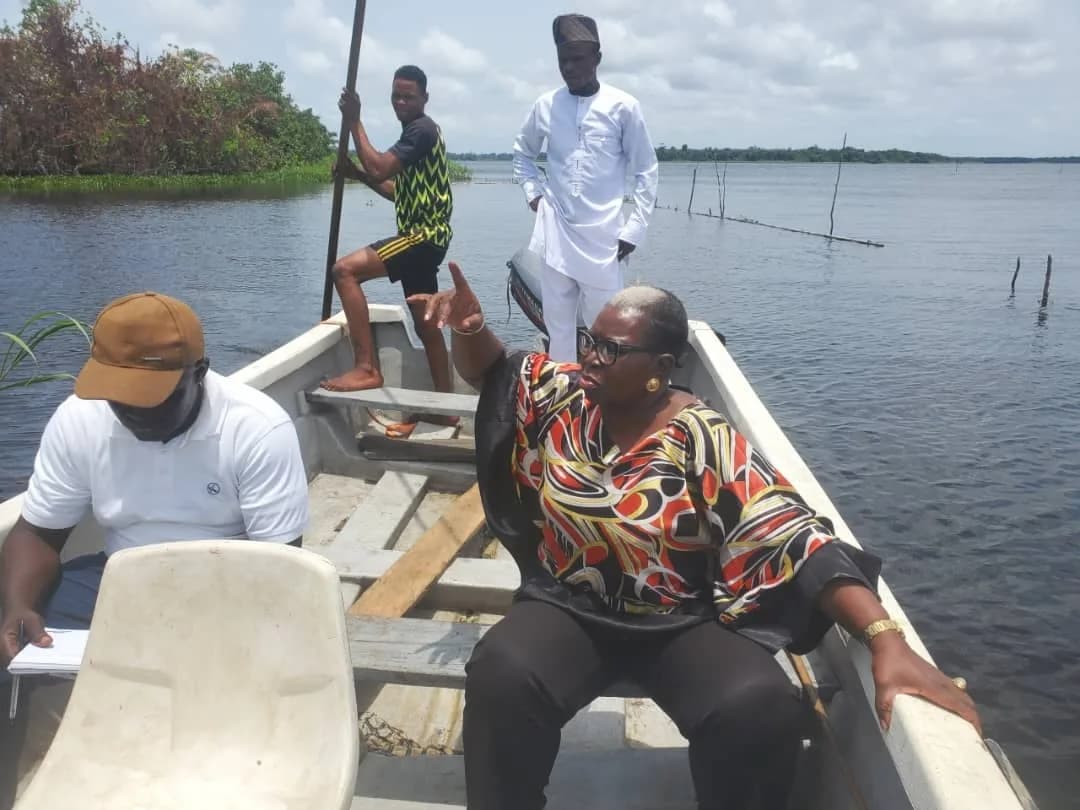
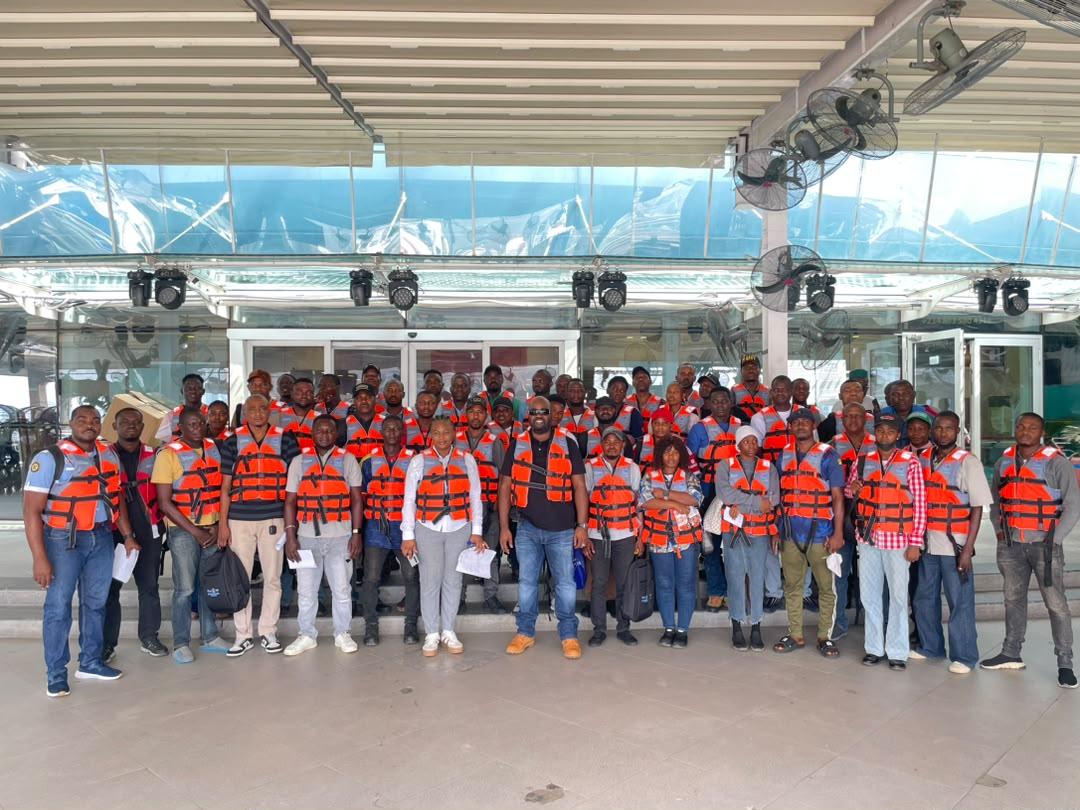
The programme subsequently moved from theoretical instruction to practical application on October 28, when participants took part in live Condition and Safety Compliance Audits at operational passenger ferry terminals.
The field exercises were supervised by Sandra (Okoli) Ubong of ABS and Engr. Frank Fayinto of Lloyd's Register. Participants were exposed to inspection procedures within actual ferry operating environments, providing an opportunity to apply technical knowledge to vessel condition assessments and safety compliance checks.
A central component of the exercise was a structured eight-step survey methodology covering the inspection process from preparation and onboard assessment to documentation and reporting.
Particular attention was given to identifying deficiencies involving hull integrity, life-saving appliances, fire protection systems and machinery installations. Participants also received instruction in evidence-based reporting through the 5W+1H principle, systematic recording of inspection findings, deficiency logging and risk prioritisation.
The ability to distinguish between deficiencies requiring immediate intervention and those requiring medium-term or lower-priority corrective action is an important aspect of effective safety management. Beyond identifying problems, inspectors must be able to document findings accurately, assess their implications and communicate the corrective measures required.
For ferry operators and regulatory authorities, these competencies have direct implications for the quality of safety oversight. Effective inspection depends not only on established regulations but also on the technical ability of personnel to identify non-compliance, assess operational risks and support appropriate corrective action.
This is particularly significant for Lagos, where passenger ferry operations must sustain public confidence as water transportation develops as an alternative to road transport. Building inspection capacity is therefore an important part of creating a safer and more dependable inland waterways transport system.
The Africa Ferry Safety Development and Mentoring Programme reflects a broader international collaboration aimed at strengthening professional expertise and promoting improved ferry safety practices across the continent.
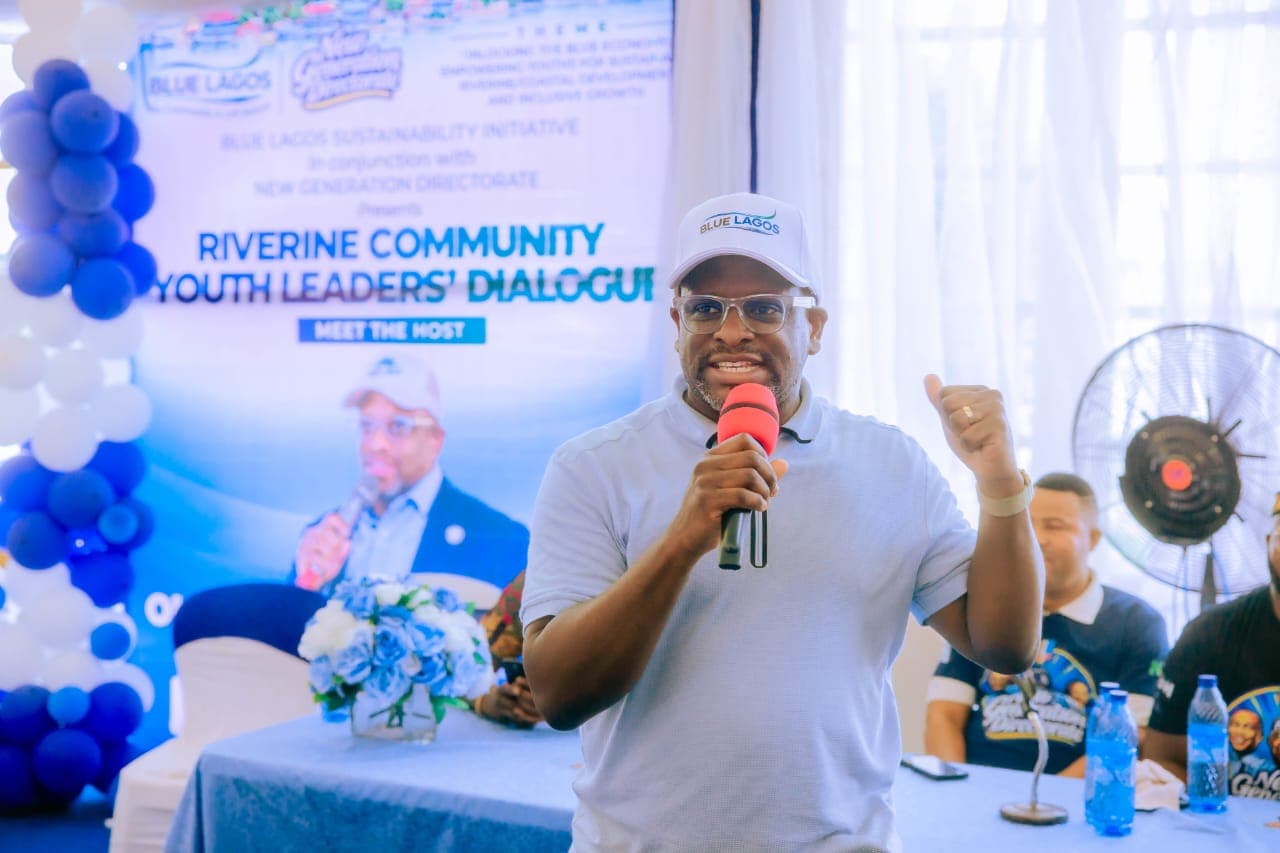
The initiative has received institutional support from LASWA and the Lagos State Government, alongside the strategic involvement of the Special Adviser to the Governor on Blue Economy, Mr. Oluwadamilola Emmanuel.
Interferry's leadership and technical contributions have also been central to the programme, with Chief Executive Officer Mike Corrigan and Ferrysafe Executive Sponsor Shari Corrigan recognised for their support. The mentors and field facilitators also played important roles in delivering the module.
With Module 6 completed, the programme is scheduled to proceed to Module 7: Watchkeeping, in November 2026. The next phase will address vessel operations, navigational safety and the competencies required for effective watchkeeping.
PRIMEAXIS INSIGHT
The value of ferry safety development programmes should ultimately be measured by what changes in operational practice after the training ends.
For Lagos and other African jurisdictions seeking to expand passenger water transportation, developing competent surveyors and inspectors is an important step. However, professional training must translate into consistent inspections, credible reporting, effective enforcement and timely correction of identified deficiencies.
The wider question is whether the technical knowledge acquired through initiatives such as this will become embedded in the routine safety oversight of ferry operations.
As passenger water transportation expands, safety cannot depend solely on regulatory requirements or the introduction of new vessels. It must be supported by qualified personnel, effective inspection systems and an institutional commitment to ensuring that vessels operating on inland waterways meet the standards required to protect human lives.