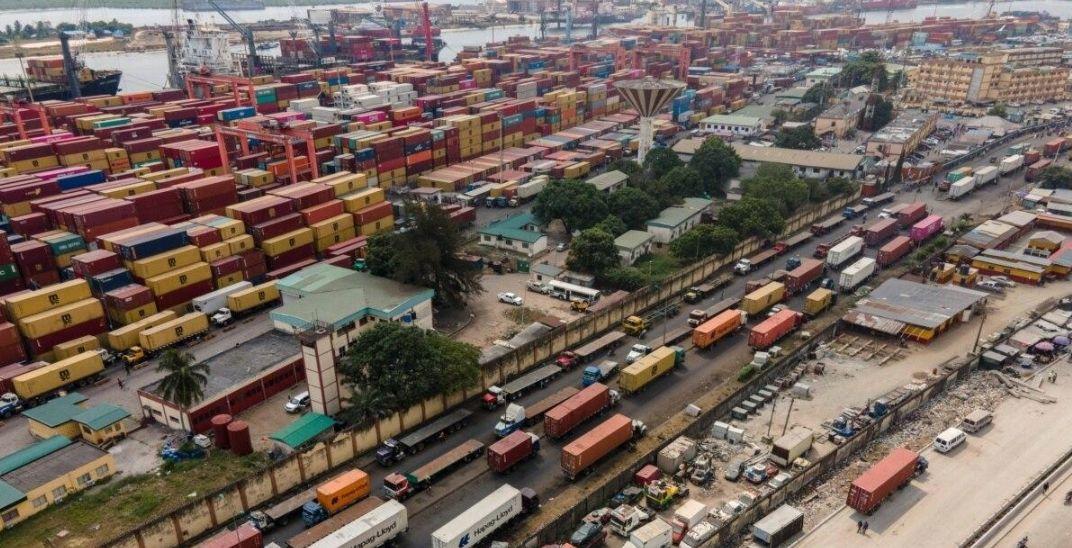
Nigeria’s two busiest seaports are approaching a defining moment. On Wednesday, November 25, the Federal Government is expected to flag off the modernisation of the Lagos Port Complex, Apapa, and Tin Can Island Port Complex, under a £746 million financing arrangement, commonly valued at approximately ₦1.3 trillion.
The investment is substantial. But its success will not be determined by the amount secured, the scale of construction or the number of facilities rehabilitated. It will be determined by what changes for ships calling at these ports, businesses moving cargo through them and the economy that depends on their performance.
For a country seeking to expand trade, strengthen non oil exports, attract investment and build a trillion dollar economy, port efficiency is an economic necessity. Delays translate into higher shipping costs, demurrage, expensive inventory management and uncertainty for businesses. They can also weaken the competitiveness of Nigerian exports.
The question is therefore bigger than whether Apapa and Tin Can need modernisation. They do. The real test is whether this investment will remove the operational constraints limiting their contribution to Nigeria’s trade and deliver measurable economic returns.
THE FINANCING IS SECURED. WHAT ARE THE OBLIGATIONS?
The financing arrangement was announced in March 2026 during President Bola Tinubu’s visit to the United Kingdom. UK Export Finance is supporting the project through its Buyer Credit Facility, coordinated and arranged by Citibank.
The Nigerian Ports Authority is the project developer, while the Federal Ministry of Finance is identified as guarantor in the official project disclosure.
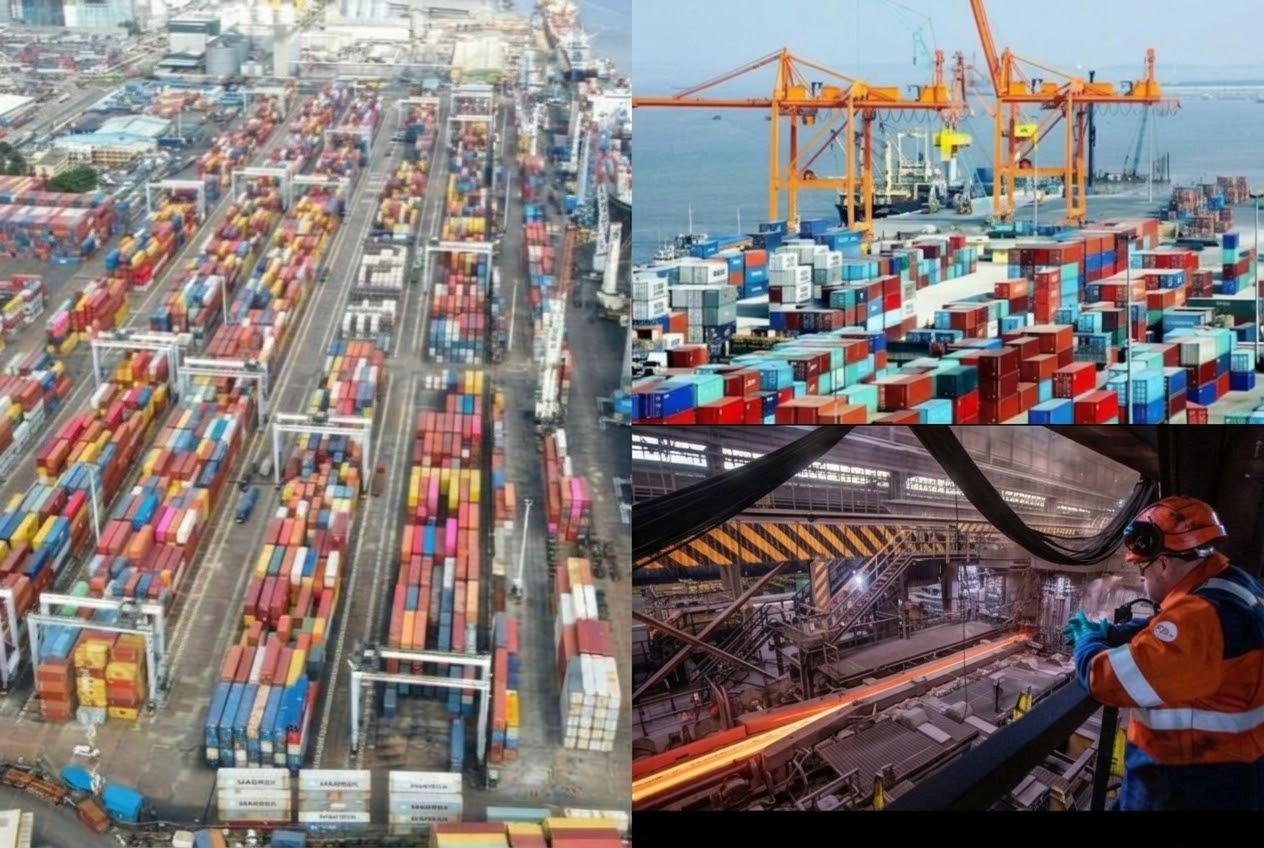
At least £236 million in supplier contracts is expected to go to British companies. This includes a £70 million contract for British Steel to supply 120,000 tonnes of steel billets to the Nigerian construction companies undertaking the work.
This is not simply a ₦1.3 trillion cash allocation from Nigeria’s annual budget. It is an export finance arrangement supported by a UK government guarantee. That distinction matters because the country must understand the financial obligations attached to the project.
What is Nigeria’s total repayment commitment?
What are the financing costs and repayment schedule? What counterpart funding must the Federal Government provide, and how much has been released?
These are essential questions in assessing value for money. A major public infrastructure commitment should come with transparent financial reporting, not just announcements about the funding secured.
BEYOND CONCRETE, STEEL AND REHABILITATED BERTHS
Apapa Port was commissioned in 1926, while Tin Can Island Port began operations in 1977.
Together, they handle more than 85 per cent of Nigeria’s container trade, according to figures attributed to the National Bureau of Statistics in industry reporting.
The project covers the rehabilitation of 20 berths across the two port complexes. According to UK Export Finance, the work includes repairs to quay walls, replacement of paved areas around the berths, and installation of new fenders and mooring beam structures. Construction documents reported by BusinessDay also identify improvements to bollards, safety ladders and apron slabs, alongside structural works to support modern ship to shore gantry cranes.
These are necessary interventions. But completing construction and improving port performance are two different things.
A rehabilitated berth does not automatically mean a vessel can berth sooner. New cargo handling equipment does not guarantee faster clearance. Improved quay infrastructure cannot, on its own, resolve congestion on access roads or delays caused by fragmented documentation and poor coordination among agencies.
The physical works must therefore be matched by efficient cargo processes, appropriate technology, effective port management and reliable connections to road, rail and inland waterways.
The project must address the port as an operating trade system, not simply as a collection of ageing structures.
THE PERFORMANCE GAP NIGERIA MUST CLOSE
The urgency is evident in the Nigerian Ports Authority’s first half 2026 performance figures.
Average vessel turnaround time at Apapa increased from 5.9 days in the first half of 2025 to 6.1 days in the corresponding period of 2026.
At Tin Can, it rose from 4.4 days to 5.1 days. Across the seven ports covered by the NPA review, the average increased from 5.0 to 5.3 days.
Yet cargo throughput across these ports rose by 12.2 per cent to 68.3 million metric tonnes during the same period, compared with 60.8 million tonnes in the first half of 2025. Vessel calls also increased. Nigeria is handling more maritime traffic, but the growth is not yet translating into faster vessel operations.
There is, however, an important part of the story that should not be overlooked. Apapa and Tin Can were ranked among the 15 most improved ports globally for vessel time between 2020 and 2025 in the World Bank’s Container Port Performance Index. This demonstrates that improvements are possible. The recent deterioration in turnaround time makes it even more important to sustain and deepen those gains.
The Nigerian Shippers’ Council’s 2024 annual report provides a useful basis for measuring the next stage of progress. Its recommended standard for ship turnaround time at Nigerian ports is three days, against a world average of one day. For cargo dwell time, its recommended Nigerian standard is 13 days, compared with a world average of seven days.
These figures expose the distance between the current operating environment and international performance. They should be treated as a starting point for improvement, not the final ambition.
Nigeria should first bring average vessel turnaround below three days and sustain that improvement across both ports. The next objective should be to move towards two days, with a longer term ambition of approaching the one day benchmark for comparable container vessel operations.
UNCTAD’s Review of Maritime Transport 2025 also reports a global median container ship time in port of approximately 0.7 days in 2024. This is a different measure from the NPA's turnaround indicator, so it should not be treated as a direct comparison. It nevertheless illustrates the level of efficiency towards which competitive port systems are moving.
Cargo dwell time must follow a similar path. Reducing the current period towards the Council's recommended 13 days should be an immediate performance priority, followed by sustained progress towards the seven day world average.
The objective is not to demand an overnight transformation. It is to establish a credible destination, set progressive milestones and ensure that improvements are sustained rather than temporary.
Four years of construction must deliver more, not create another bottleneck
The Federal Government has indicated that the rehabilitation will take approximately 48 months. During this period, Apapa and Tin Can must continue to handle the cargo on which Nigerian businesses depend.
How will construction be phased to keep the ports operational? Which berths will be temporarily unavailable, and how will vessel traffic be managed? What arrangements will protect shipping companies, terminal operators, cargo owners, truckers and other port users from unnecessary disruption?
These are practical questions with direct commercial consequences.
The NPA should publish the project's baseline performance figures and establish a transparent reporting framework. Progress should be measured against construction milestones, expenditure, delivery timelines and operational indicators. Regular updates should show what has been completed, what remains outstanding and whether the expected improvements are materialising.
There must also be coordination with customs, terminal operators, road and rail authorities, shipping companies and other agencies whose activities influence cargo movement. Without this wider coordination, Nigeria could emerge with better port infrastructure but continue to struggle with the same operational constraints.
WHAT WOULD MAKE THE INVESTMENT WORTHWHILE?
The ultimate measure of success must be visible in the Nigerian economy.
Manufacturers should experience more predictable access to imported machinery, raw materials and production inputs. Exporters should move goods through the ports with greater certainty and lower logistics costs.
Shipping companies should encounter more efficient vessel operations, while importers should spend less time and money moving cargo through the system.
Better performance at Apapa and Tin Can should also complement the development of other Nigerian ports, reduce excessive dependence on the Lagos corridor and support a more balanced national port network.
Nigeria's trillion dollar economic ambition will require ports that can accommodate expanding trade without turning higher cargo volumes into longer delays and higher costs.
PRIMEAXIS INSIGHT
The modernisation of Apapa and Tin Can is a necessary investment. But the money will only be worthwhile if it produces a measurable improvement in the way Nigeria trades.
Success must be assessed at three levels. First, infrastructure delivery: rehabilitated berths, stronger quay structures, modern cargo handling capacity and safer facilities. Second, operational performance: progressively shorter vessel turnaround and cargo dwell times, faster cargo evacuation, more productive cargo handling and fewer avoidable delays. Third, economic impact: lower logistics costs, more reliable supply chains, stronger export competitiveness and increased capacity to support trade.
Nigeria should not settle for marginal improvement simply because the starting point is difficult. The investment must establish a pathway towards international competitiveness, with clear milestones that recognise present constraints without allowing them to define the country's long term ambition.
The Federal Government and the Nigerian Ports Authority must demonstrate progress beyond construction milestones. The industry should be able to assess the project through published performance data, transparent financial reporting and evidence of improvement in the experience of port users.
A project of this scale should leave Nigeria with more than refurbished ports. It should leave the country with a more efficient trading system, stronger maritime competitiveness and infrastructure capable of supporting future economic growth.
The real return on ₦1.3 trillion will not be measured in tonnes of steel or the number of berths repaired. It will be measured in the time saved, the costs removed, the trade enabled and the economic opportunities created.