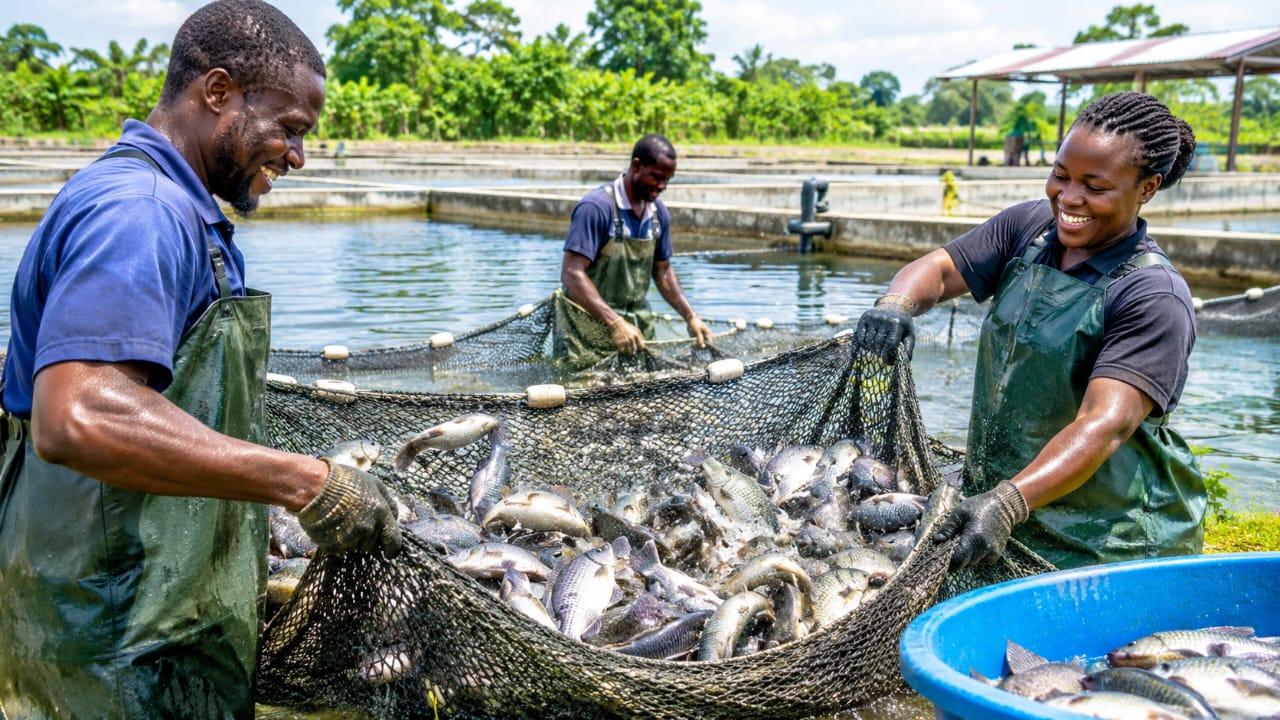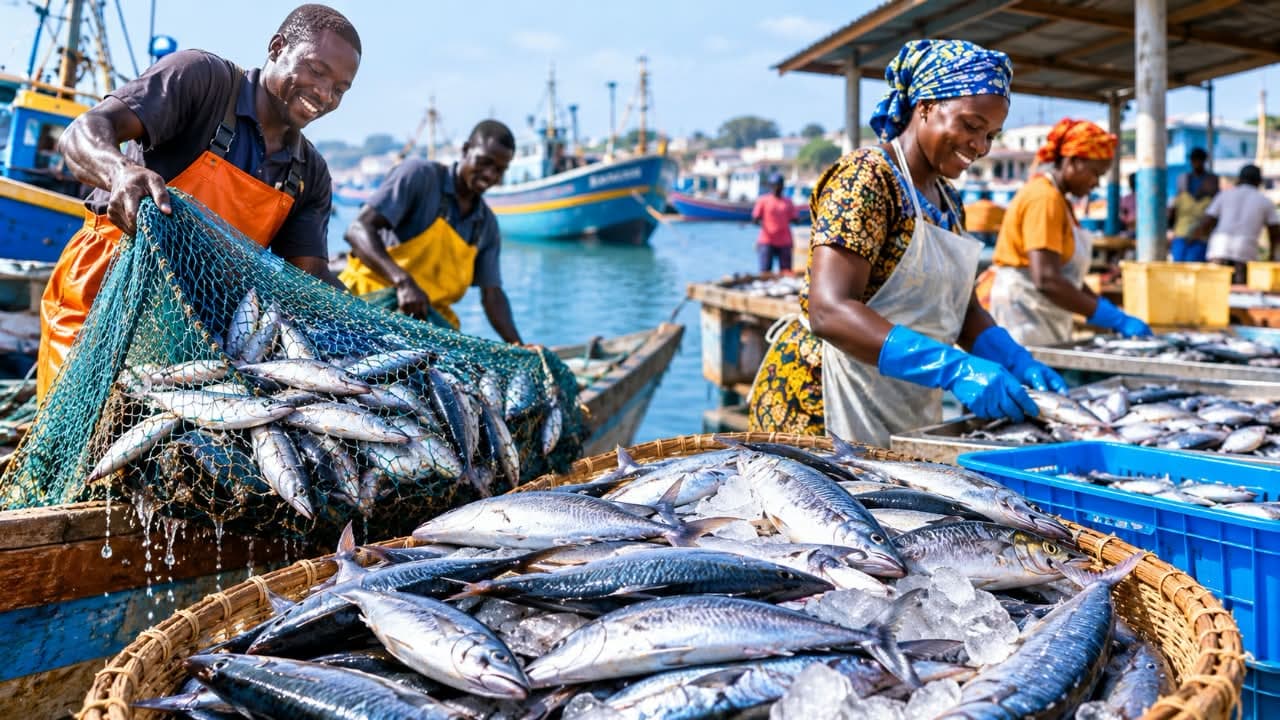

But behind the attractions lies a business question that receives considerably less attention: who owns the assets, who controls the operations and who captures the revenue?
A destination can attract international visitors, build luxury resorts and record rising tourism receipts without necessarily retaining a corresponding share of the economic value generated. The ownership of tourism infrastructure, the source of investment, the structure of commercial agreements and the participation of domestic businesses all influence where the money ultimately goes.
For Africa, the issue is not simply how to attract more tourists. It is how to build a coastal tourism economy in which African investors, businesses and communities have a meaningful stake.
THE CAPITAL BEHIND THE COASTLINE
Tourism investment across Africa is gaining momentum. UN Tourism's Tourism Investment Trends and Opportunities in Africa report identifies more than US$6.6 billion in announced greenfield tourism investments across over 100 projects between 2019 and 2024, with more than 15,100 direct jobs expected. Nearly 90 per cent of the announced investment targeted accommodation, primarily hotels and resorts.
These figures cover tourism investment across Africa, not coastal tourism alone. However, they reveal the concentration of capital in hospitality infrastructure and the growing commercial importance of destination development.
For coastal economies, the investment opportunities extend beyond hotels. Waterfront developments, island resorts, marinas, cruise facilities, recreational boating, diving operations and marine leisure businesses can create multiple revenue streams around the same coastal destination.
Yet the presence of investment does not automatically establish who controls the resulting business.
A development may involve government provided land, foreign financing, an international hotel brand, a locally incorporated operating company and domestic suppliers. Each participant occupies a different position in the ownership and revenue structure.
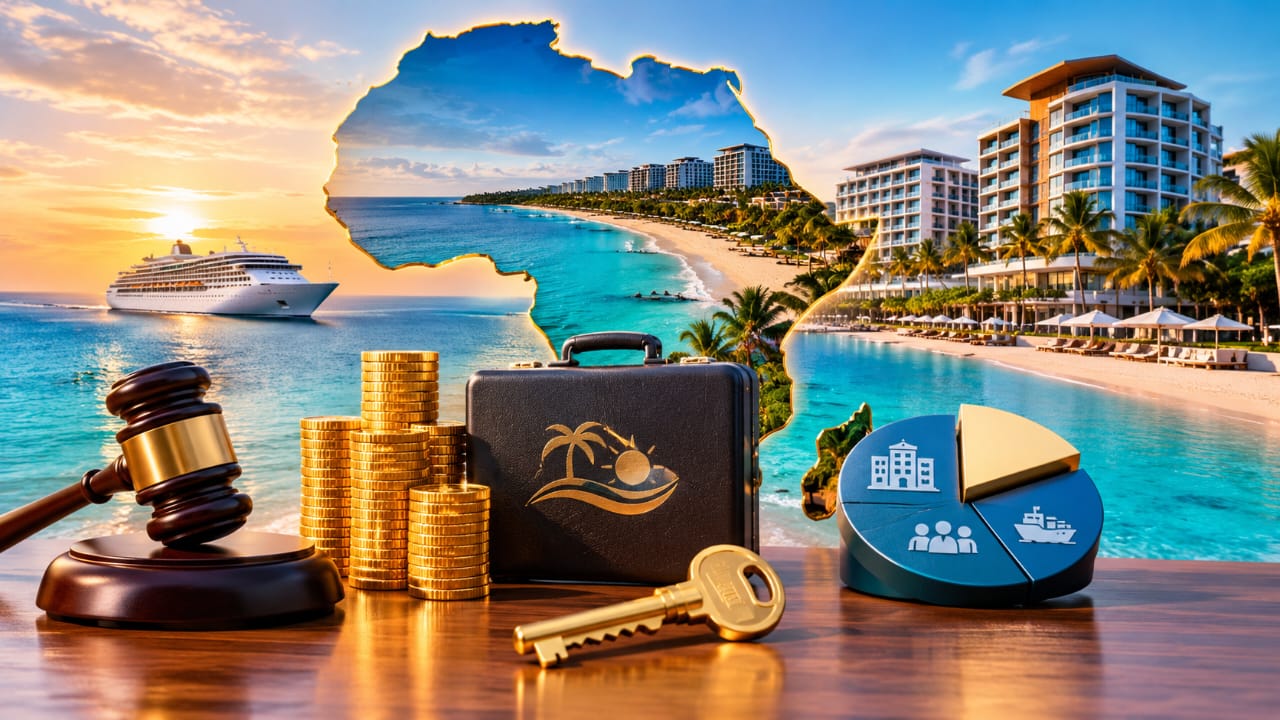
The distinction between owning the land, financing the development, managing the facility and controlling the commercial operation is therefore critical.
WHO CAPTURES THE ECONOMIC VALUE?
The commercial value of coastal tourism extends across an extensive supply chain. Hotels generate accommodation revenue, restaurants sell food and beverages, tour operators organise excursions, transport companies move visitors, and marine recreation businesses provide access to coastal experiences.
The question is how much of this expenditure circulates within the host economy.
Foreign investment can bring capital, international marketing networks, technical expertise and established hospitality brands.
These contributions can strengthen destinations and create employment. However, where ownership, management, procurement and other major commercial functions remain externally controlled, a substantial portion of the economic returns may flow beyond the destination.
UNCTAD's Economic Development in Africa Report 2017 identified foreign ownership, imported inputs and weak connections between tourism and domestic suppliers as factors contributing to economic leakages in African tourism.
The implications are important for coastal destinations.
If hotels import much of their food, equipment and operating supplies, local producers lose potential business. If international operators dominate bookings and management, domestic enterprises may struggle to capture higher value segments. If local participation is concentrated in low paid or seasonal employment, rising tourism activity may not translate into broad based economic advancement.
This does not mean foreign ownership is inherently disadvantageous. It means investment performance must be assessed beyond the amount of capital committed and the number of visitors attracted.
THE OWNERSHIP AND GOVERNANCE QUESTION
Coastal tourism also raises questions about how governments allocate and regulate valuable waterfront assets.
Land concessions, leases, development agreements and public private partnerships can determine who receives access to commercially attractive locations and under what conditions.
Where public land or shared coastal spaces are committed to private developments, the terms of those arrangements matter. Governments must establish how investors are selected, what financial obligations they assume, how environmental responsibilities are enforced and whether public access is protected.
The issue is particularly significant for fishing communities and other coastal businesses whose livelihoods depend on access to waterfront locations.
Tourism development should not create a situation in which communities lose access to traditional economic spaces while receiving only limited benefits from the commercial activities built around them.
Transparent concession arrangements, meaningful local participation and enforceable investment obligations are therefore essential to responsible coastal development.
BEYOND ATTRACTING TOURISTS
Africa's coastal tourism industry needs a stronger domestic commercial base.
Governments must look beyond hotel construction and visitor arrivals to the ownership and operating structures that determine long term economic returns. This includes encouraging African investment in hospitality, marine recreation, destination management and tourism infrastructure.
Domestic suppliers must also be positioned to serve the industry at scale. Agriculture, fisheries, food processing, transportation, entertainment and maritime services can all benefit from stronger connections to tourism businesses.
Equally important is the development of local companies capable of managing facilities, operating tourism services and competing for higher value contracts.
The performance of the sector should therefore be assessed through more than visitor numbers and tourism receipts. Ownership, domestic procurement, employment quality, tax contributions, concession revenues and the retention of profits within the economy deserve greater attention.
PRIMEAXIS INSIGHT
Africa's coastlines are valuable economic assets, but their commercial potential cannot be measured by the number of resorts constructed or tourists received.
The more consequential question is who owns the businesses built around these assets and how much economic value remains within African economies.
Foreign investment will continue to play an important role in developing the sector. But African governments must ensure that investment arrangements strengthen domestic enterprise, expand local participation and deliver measurable returns to the economies providing the natural assets.
The future of coastal tourism should not be judged solely by how successfully Africa attracts the world to its shores.
It should also be judged by how much of the business Africa owns, how much of the revenue it retains and who ultimately benefits from the development of its coastlines.