It is one of the oldest and most recognisable traditions of seafaring. Ships are named, celebrated at launch ceremonies and, in many maritime communities, spoken about almost as though they have personalities.
But why do ships have names? Why are they traditionally referred to as female? And how did a piece of maritime engineering acquire such a strong human identity?
MORE THAN AN IDENTIFICATION NUMBER
A ship's name serves an important practical purpose. It distinguishes one vessel from another, making it identifiable in ports, shipping records, commercial transactions and maritime communications.
However, a ship's name is not its only identity.
Many seagoing vessels also carry a permanent International Maritime Organization identification number. Unlike a ship's name, this number remains unchanged throughout the vessel's life, even when its ownership, flag or name changes.
But the significance of a ship's name extends beyond identification.
Historically, ships were named after their owners, family members, prominent individuals, geographical locations, religious figures and desirable qualities such as strength, courage and endurance. Some names reflected national identity, political loyalties or the ambitions of the people who commissioned the vessels.
In naval history, names also became a way of preserving institutional memory. A new warship bearing the name of an earlier vessel could carry forward its reputation, history and battle honours. The name connected generations of ships and the people who served aboard them.
WHY ARE SHIPS TRADITIONALLY CALLED 'SHE'?
Perhaps the most familiar maritime tradition is the use of feminine pronouns for ships.
For centuries, English speaking sailors have traditionally referred to vessels as she and her.
The practice is well established in maritime language, although its precise origins remain debated.
One explanation links the tradition to the historical association of ships with goddesses and female protective figures. In several maritime cultures, vessels were named after female deities or religious figures believed to offer protection to sailors. Female figureheads were also common on sailing ships.
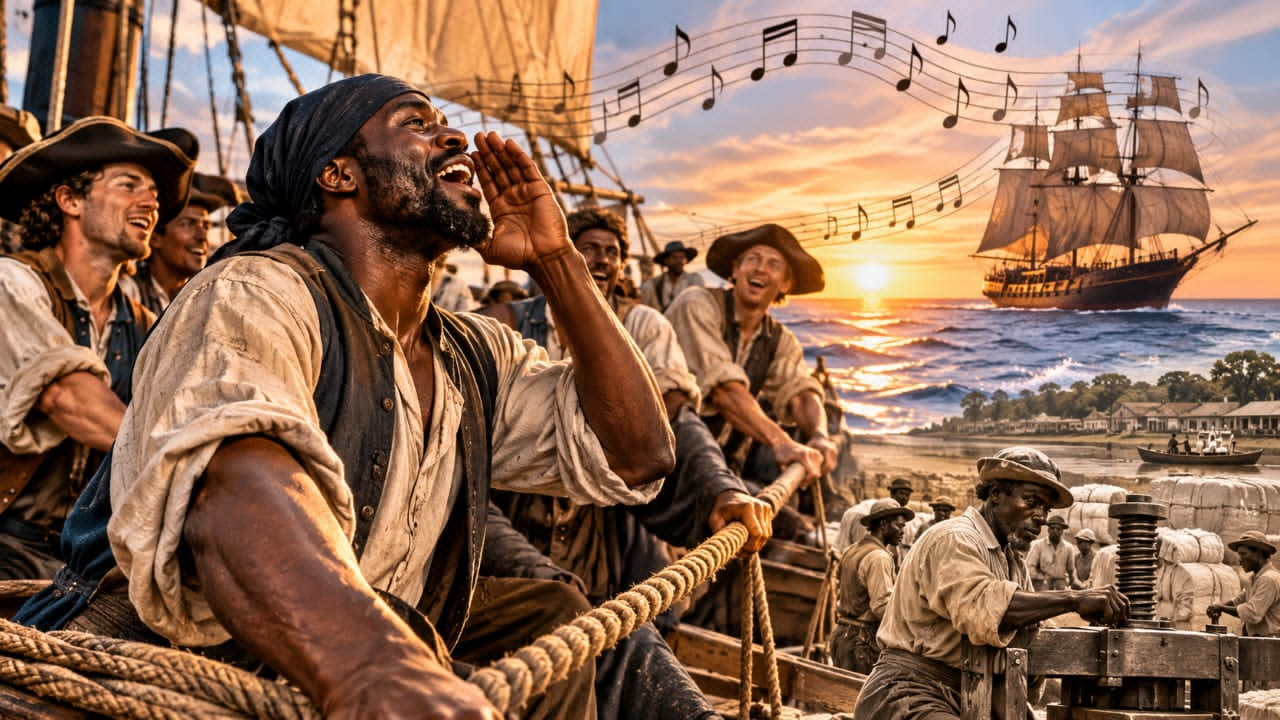
Another explanation points to the longstanding human tendency to personify objects. For sailors who spent months away from land, a ship was more than a means of transportation. It was their workplace, accommodation and protection against the dangers of the sea.
Over time, this relationship found expression in language. Ships were described as dependable, graceful, stubborn, temperamental or lucky.
However, there is no single universally accepted explanation for the feminine tradition. It is also not a universal maritime rule. Modern professional and technical writing increasingly uses the neutral pronoun it, reflecting changes in language and professional conventions.
THE CEREMONY THAT WELCOMES A SHIP INTO THE WORLD
A new ship does not simply enter the water without ceremony. Its naming and launch may be marked by an event known as a christening or naming ceremony.
In the familiar British maritime tradition, a bottle of wine or champagne is broken against the vessel's bow as it is launched. The ceremony symbolises the beginning of the ship's life at sea and expresses hopes for the safety of the vessel and its future crew.
The tradition has much older roots. Ancient maritime societies performed religious rituals and offered sacrifices to seek divine protection for ships and the people who sailed in them. The forms varied across cultures and religions, but the underlying concern was remarkably similar: the sea was unpredictable, and sailors wanted protection against its dangers.
Over time, the bottle breaking ceremony became an established feature of ship naming and launching events in several Western maritime traditions.
Today, naming and launching ceremonies can be major public events attended by government representatives, shipowners, naval officials, investors and industry stakeholders.
For a commercial shipping company, such an occasion is also an opportunity to celebrate a major investment, introduce a new vessel and reinforce the company's corporate identity.
CAN A SHIP LOSE ITS NAME?
Yes. Ships can be renamed during their operational lives.
A change of ownership, management, commercial identity or flag may lead to a new name. A vessel may pass through several owners and operate under different names during its career.
However, changing a ship's name does not erase its identity or operational history. Its IMO number remains the permanent reference through which its history can be traced.
This distinction is important in maritime administration, vessel tracking, safety records and commercial due diligence. A ship's past does not disappear simply because a new name appears on its hull.
For shipping professionals, knowing a vessel's history can be just as important as knowing the name displayed at its stern.
WHEN A SHIP BECOMES PART OF PEOPLE'S LIVES
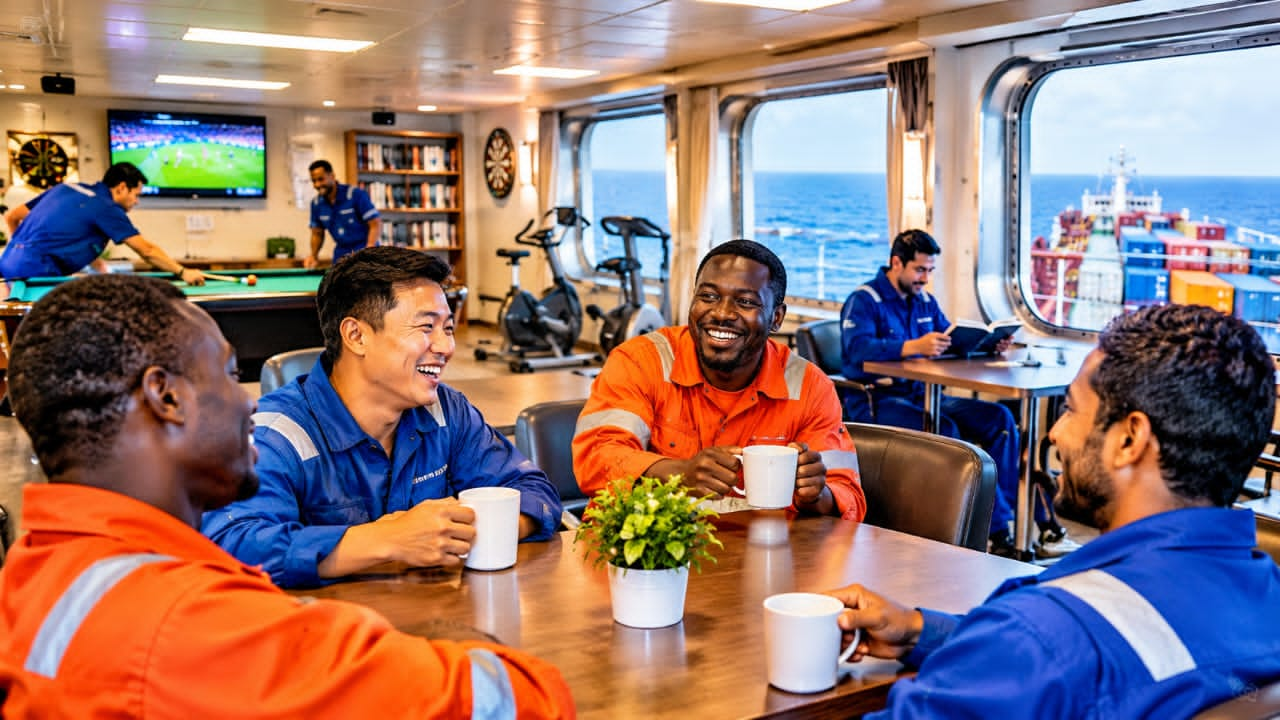
For seafarers, a ship's name can carry memories of long voyages, difficult weather, friendships, accidents, successful operations and years spent away from home.
Some crews develop a strong attachment to particular vessels. A ship that has carried generations of sailors may become part of a company's institutional history. In naval service, a famous vessel's name can represent national pride and collective memory.
This is why ships are sometimes spoken about as though they have personalities. Their reputations develop through the experiences of the people who sail them.
A vessel may be remembered for its reliability, speed, difficult handling or remarkable operational history. These descriptions are human interpretations of a machine, but they reveal something important about maritime culture.
The ship is an engineered asset. The relationship people build with it is something else entirely.
THE PRIMEAXIS PERSPECTIVE
The maritime industry is often discussed through the language of tonnage, cargo capacity, freight rates, vessel ownership and port performance.
Yet, behind these commercial and technical measurements is a human culture shaped by centuries of seafaring.
Ship names are part of that culture. They connect modern shipping to its history, give vessels a recognisable identity and preserve the memories of the people who work aboard them.
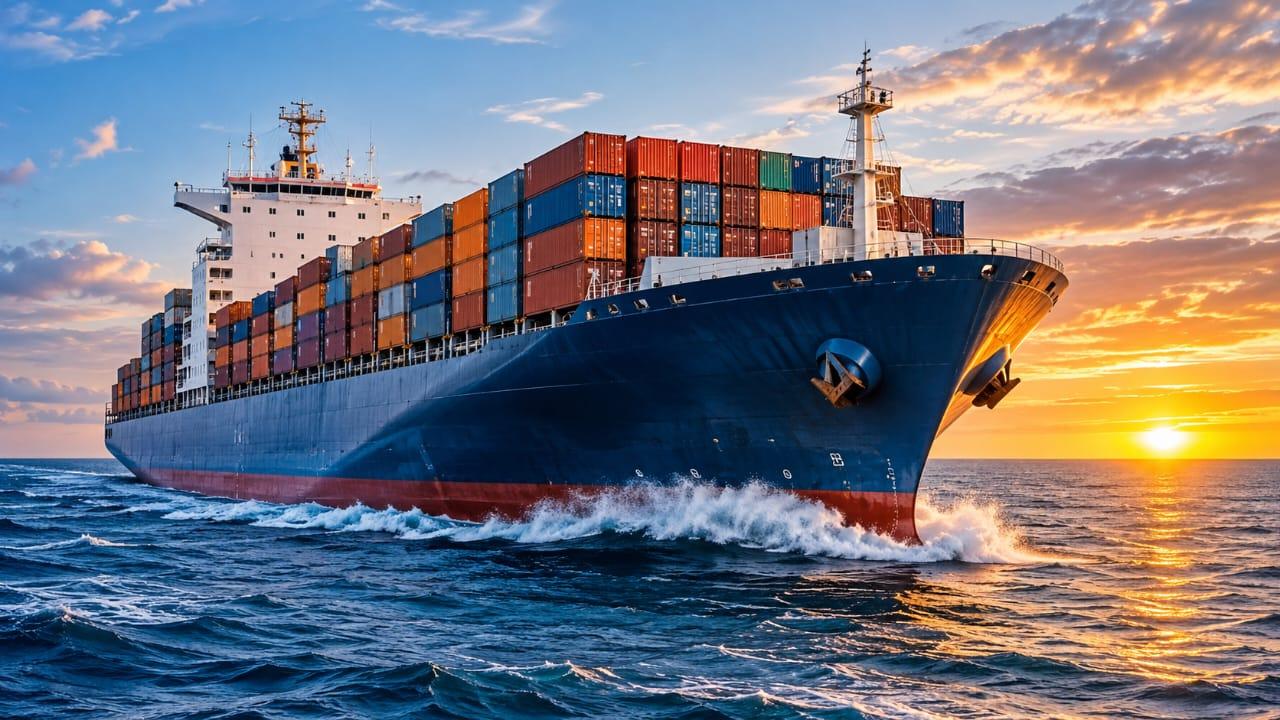
The next time a cargo ship passes through a port or appears on the horizon, look beyond its size and cargo. There is a name on its hull, a history behind that name and a crew whose working lives are tied to the vessel.
A ship may be built from steel, but its place in maritime history is often built through the people who sail it.