
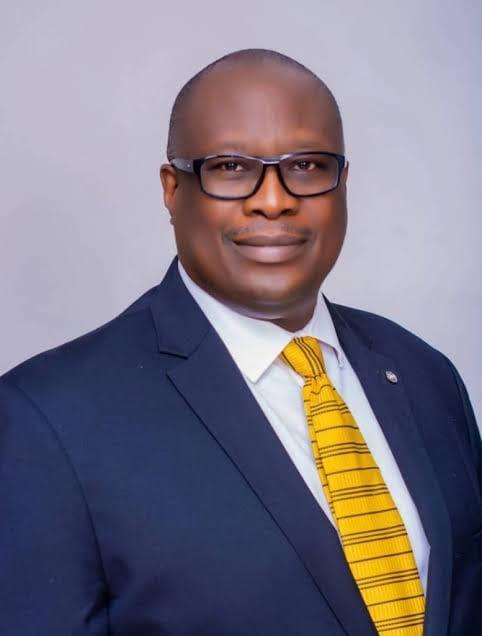
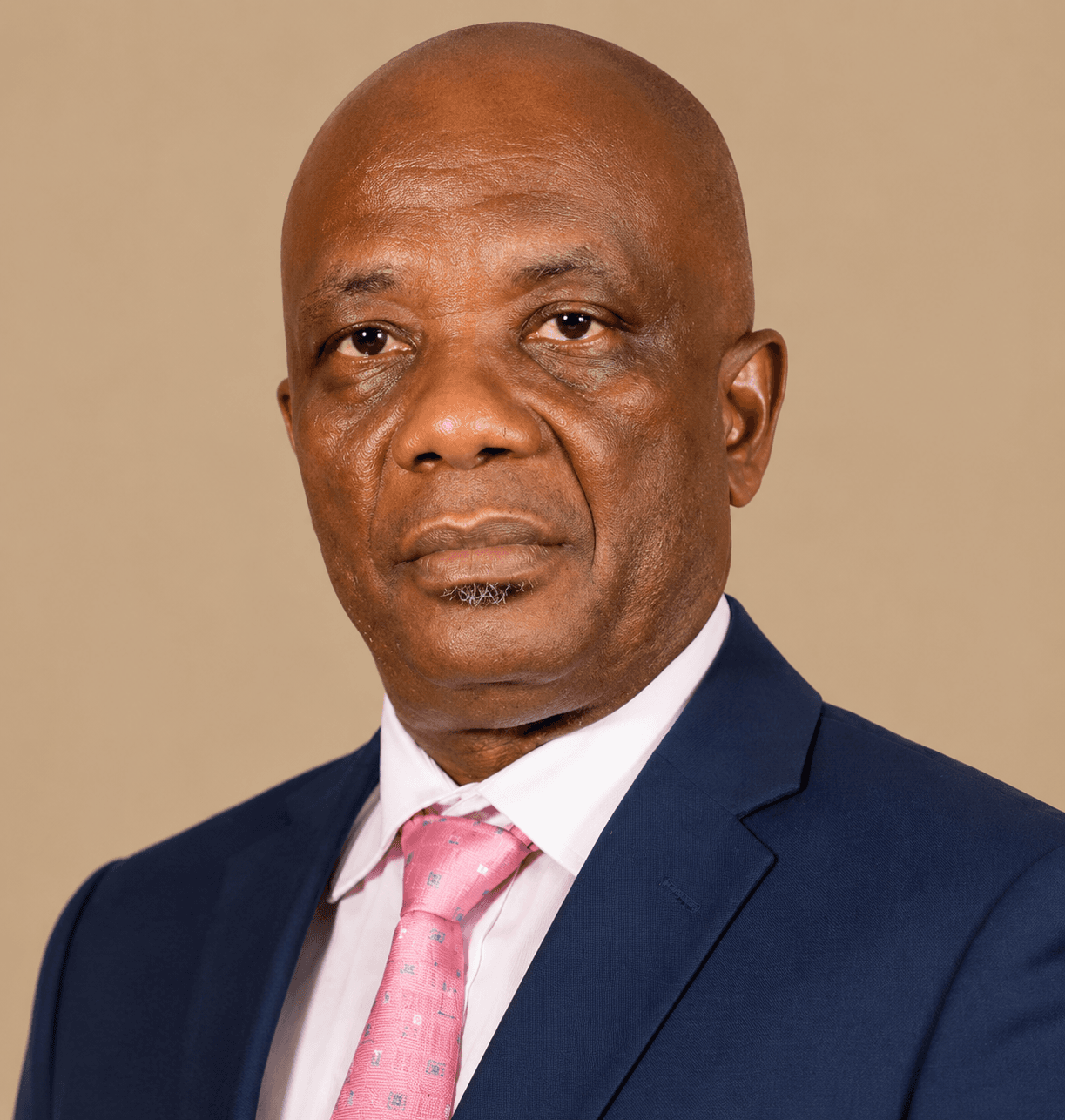
ENGR. KEHINDE OLAYINKA AKINOLA
Chairman
Governing Council, Maritime Academy of Nigeria, Oron
“THE FUTURE OF MARITIME EDUCATION IN NIGERIA: LEADERSHIP, INSTITUTIONAL DEVELOPMENT AND AFRICA’S MARITIME WORKFORCE”
Since assuming office as Chairman of the Governing Council on 3 October 2024, Engr. Kehinde Olayinka Akinola has been involved in advancing the institutional development and strategic direction of the Maritime Academy of Nigeria. With Nigeria seeking to strengthen its indigenous maritime workforce and expand its participation in the global shipping industry, the Academy’s role in professional training, industry partnerships and regional cooperation has become increasingly important.
In this Executive Conversation, Akinola discusses his leadership priorities, the Academy’s five-year development plan, the challenge of cadet sea-time, the modernisation of maritime training and efforts to build stronger regional partnerships for Africa’s maritime workforce.
Maritime is an international business. We cannot prepare our cadets only for opportunities within Nigeria. We must expose them to the wider industry and ensure that their training and competencies can compete internationally.
TRANSCRIPT REF: EC-2026-012 · RECORDED: 25 November 2026 · STATUS: ON RECORD
Since assuming office as Chairman of the Governing Council of the Maritime Academy of Nigeria, what achievements at the Academy are dearest to you, and what would you consider your most significant contributions?
One of the things that stood out to us when we assumed office was the state of electricity supply at the Academy. After our inauguration and initial meeting, we visited the campus and discovered that there was no public electricity supply. The line from Eket to Oron had been disconnected for about two to three years because of a disagreement, and the Academy had been relying on generators.
We immediately considered how to address the situation. The Council made provision for solar power to support the residences and offices, while we also pursued the restoration of the public electricity supply from Eket to Oron. This was important not only for the Academy but also for the host community.
Today, the public electricity supply has been restored. There was great jubilation when power returned, and the Academy now enjoys electricity around the clock. This has made a significant difference, particularly for cadets who need to study at night.
We have also worked towards upgrading the Academy’s training facilities. The smart boards and simulators are now operational, and these improvements are helping to strengthen the quality of instruction and practical training.
When you improve the facilities and create a better learning environment, you are also able to attract good instructors. The quality of training improves, and the students become better prepared for the industry.
We are beginning to see the benefits in the opportunities available to our graduates. In 2025, more than 80 cadets secured ship placements for their sea-time training on their graduation day. In 2026, NLNG alone took 50 cadets, while other shipowners are also providing opportunities.
Our aspiration is to make the Maritime Academy of Nigeria a leading world-class institution for cadet and maritime professional training.
Beyond the cadet programme, more than 4,000 people attend various short courses at the Academy annually. We want to continue improving the institution’s capacity to serve the maritime industry.
What are the major priorities of your Council’s five-year development plan, and how are initiatives such as the proposed training vessel and international partnerships progressing towards implementation?
Our five-year development plan is designed around sustainability. We do not want a situation where the Academy makes progress during one administration or period and then experiences a decline when there is a change in leadership. We want to establish structures and initiatives that will sustain the institution’s development over time.
One of the major projects in the plan is the proposed training vessel. We are looking at having this in place within the third year of our tenure. The vessel will provide cadets with practical exposure and an opportunity to understand shipboard operations. However, we must recognise that one training vessel cannot provide all the sea-time required by every cadet.
We therefore need other partnerships and opportunities within the industry.
We have also been working on international partnerships. One of the countries we have engaged is Liberia. Liberia has the largest registered fleet in the world, and we saw an opportunity to establish a relationship that would benefit our cadets and the Academy.
We visited Liberia, and subsequently, a delegation from Liberia also visited the Academy. We have agreed in principle to develop a Memorandum of Understanding that will provide for the exchange of lecturers, faculty members and students. It will also create opportunities for Nigerian cadets to undertake training aboard ships flying the Liberian flag.
Our target is to conclude and sign the agreement by December 2026.
We have also visited Morocco to explore areas of bilateral cooperation. We expect further engagement towards developing that relationship.
Another important development is the certification process involving the Standards Organisation of Nigeria. The Academy underwent an external audit and received certification following the process, which was carried out in two stages. The Director-General of SON personally presented the certification.
All these initiatives are directed at strengthening the Academy, improving access to sea-time, exposing our cadets to international opportunities and ensuring that the training we provide is recognised beyond Nigeria.
Access to mandatory sea-time remains a major challenge for Nigerian cadets seeking to complete their training and progress towards professional certification. Beyond the proposed training vessel and international partnerships, what sustainable measures is the Academy pursuing with NIMASA, shipowners and other industry stakeholders to expand sea-time placements and improve employment opportunities for its graduates?
Sea-time is a very important part of maritime training. A cadet may receive good classroom instruction and practical training in the Academy, but there is a stage at which the cadet must go to sea and gain the required experience before progressing towards professional certification.
That is why we are not relying on the proposed training vessel alone. As I have said, the vessel will help, but it cannot accommodate all our cadets or meet all their sea-time requirements.
Our proposed partnership with Liberia is one of the ways we intend to address this challenge. Through the relationship, our cadets will have opportunities to train aboard ships flying the Liberian flag. The exchange arrangement will also allow for the movement of students and lecturers between the institutions.
We are equally encouraged by the opportunities being provided by companies such as NLNG and other shipowners. In 2025, more than 80 cadets secured ship placements, while in 2026, NLNG alone took 50 cadets. These are encouraging developments, and we want to see more shipowners provide such opportunities.
The issue of sea-time requires cooperation. The Academy cannot solve it alone. We need the support of NIMASA, shipowners, maritime companies, international partners and other stakeholders. Our responsibility is to continue producing competent cadets and creating relationships that will give them access to the practical experience they need.
Ultimately, we want our graduates to have the opportunity to demonstrate their competence and build careers in the maritime industry, both in Nigeria and internationally.
The maritime industry is undergoing significant changes driven by digitalisation, automation, decarbonisation and new vessel technologies. How is the Academy adapting its curriculum, training facilities and technical programmes to ensure that Nigerian cadets are equipped with the practical skills and knowledge required by the evolving global shipping industry?
We recognise that the maritime industry is changing, and the Academy must change with it. We are reviewing and improving our curriculum to ensure that our training remains relevant to developments in the industry.
One of the areas we are looking at is ship design.
We want our cadets to understand not just how ships operate but also the principles behind their design. We are particularly interested in preparing them for developments in cleaner energy, including the design of vessels that can operate on compressed natural gas rather than diesel, which is a more environmentally friendly option.
We are also developing a shipyard facility at the Academy. The facility is partially completed, and we intend to complete it so that vessels can be brought in for repairs. This will give cadets the opportunity to observe the repair process, participate where appropriate and learn directly from practical operations.
We are also looking at introducing artificial intelligence into our training programmes. We cannot afford to train our cadets using only what was relevant many years ago. We must keep abreast of developments and ensure that they understand the technologies shaping the industry.
Our cadets already have opportunities to develop practical skills through the facilities available at the Academy. They learn how to dismantle and reassemble engines, operate simulators and respond to emergencies, including shipboard fires. They also undergo survival training.
We have an electronic library with thousands of learning resources and publications, including materials from the International Maritime Organization. Our cadets have access to these resources to support their studies and broaden their understanding of the industry.
We are committed to creating an environment where cadets are motivated to learn and lecturers are encouraged to deliver quality instruction. The objective is to ensure that our graduates possess the technical knowledge and practical competence required to function effectively in the modern maritime industry.
Following the May 2026 regional maritime education initiative involving institutions in Nigeria, Ghana and Côte d’Ivoire under the Maritime Organisation of West and Central Africa (MOWCA), what progress has been made towards curriculum harmonisation, institutional partnerships, cadet exchanges and the recognition of maritime qualifications across the region?
I may not have the latest update on every aspect of that initiative, but I can speak about some of the engagements we have had with institutions in the region.
The management of the Regional Maritime University in Ghana visited the Maritime Academy of Nigeria. They came to see our facilities and interact with us, and we held discussions on areas of cooperation. We are working towards developing a Memorandum of Understanding that will provide a framework for that relationship.
We also have a relationship with the Nigerian Maritime University at Okerenkoko. Students from the university come to the Maritime Academy for training.
These engagements are important because maritime education should not be viewed only within the boundaries of individual countries. The maritime industry is international, and our institutions should be able to collaborate, share experiences and develop the capacity of the region.
We want to see greater cooperation in areas such as student exchanges, faculty exchanges, curriculum development and the recognition of qualifications. If we can work together, our institutions will become stronger, and our graduates will have better opportunities across the region.
Our goal is to contribute to a stronger maritime education system in West and Central Africa, where institutions can learn from one another and prepare professionals who can serve the wider industry.
You have strongly defended the Academy’s specialised maritime mandate against proposals to convert it into a conventional university. How can the institution expand its academic and research capacity, including the introduction of degree programmes, while preserving the specialised training, professional standards and international standing that define its purpose?
I have had discussions with leaders of the National Assembly and the Minister of Education on this issue. My concern is that some of the people advocating for the conversion of the Academy into a conventional university may not fully understand the nature of professional maritime training.
Maritime training is specialised. It is not enough to have academic qualifications without the technical competence and practical experience required to perform the job.
Let me use aviation as an example. If you want to employ a pilot, you are interested in the person’s ability to fly an aircraft and the technical competence required for the job. You are not simply looking for someone because they have a PhD. The same principle applies to maritime professionals. They must possess the technical skills and practical training required to work in the industry.
My concern is that if we focus too much on converting the Academy into a conventional university, we may lose the specialised technical training that makes the institution important.
There is also the issue of funding. If the Academy becomes a conventional university, it may come under the Ministry of Education and have to compete with existing federal universities for funding. At present, the Academy is under the Ministry of Marine and Blue Economy and receives funding through NIMASA. I believe this arrangement is more suitable for its specialised mandate.
However, I am not against the Academy expanding its academic capacity or introducing degree programmes. We have about 100 hectares of land available, and there is room for development.
We have engaged with stakeholders, and the National Assembly has taken a first reading on a proposed amendment to the law that would allow the institution to remain the Maritime Academy while also offering degree programmes.
What we want is an arrangement that allows us to expand academically without abandoning our core responsibility of professional maritime training. We can offer degree programmes while retaining the professional certificates and specialised technical training that define the Academy. The Nigerian Defence Academy provides an example of an institution that combines academic programmes with specialised professional training.
We must preserve what makes the Academy unique. Our focus should remain on producing competent maritime professionals who can meet the needs of the industry. We can expand, introduce new programmes and strengthen research, but we must not lose the practical and professional character of the institution.
EDITOR’S NOTE
The conversation highlights the central challenges facing maritime education in Nigeria, particularly the need to connect institutional training with the practical requirements of the shipping industry.
Akinola’s account places emphasis on infrastructure, modern training facilities, international partnerships and the persistent challenge of securing sea-time placements for cadets. His position on the Academy’s institutional identity also raises an important question about how specialised maritime institutions can expand their academic and research capacity without losing the professional training mandate for which they were established.
As the maritime industry evolves, the effectiveness of these initiatives will ultimately be measured by the quality of professionals the Academy produces and their ability to compete within the global maritime workforce.
ABOUT EXECUTIVE CONVERSATION
Executive Conversation is a PrimeAxis platform for substantive conversations with the leaders, policymakers, investors and industry professionals shaping Africa’s maritime, logistics, trade and Blue Economy ecosystem.
The platform creates space for dialogue with leaders defining Africa’s Blue Economy, examining the decisions, investments, policies and industry developments shaping the continent’s maritime future.
EDITORIAL NOTE
This conversation has been edited for clarity, grammar, transcription errors and flow. The substance, examples, arguments and distinctive perspectives of the speaker have been retained.
About Executive Conversations
Executive Conversations is PrimeAxis's flagship interview series, engaging the leaders, regulators, and institution builders shaping Africa's maritime and blue economy future.
Editorial Note: This interview has been edited for clarity, length, and flow while preserving the substance of the conversation.
More Conversations

SEYI OLUYEDE
General Manager
Maritime Shipping & Ocean International Resources Ltd. (MSOIR)
Nigeria generates substantial demand for maritime and shipping services, yet indigenous participation in international shipping remains a major industry concern. Developing a stronger Nigerian fleet requires more than acquiring vessels. It requires competent operators, access to finance, reliable cargo, effective ship management and the capacity to maintain and eventually build vessels locally.

Alhaji Aminu Umar
President, Managing Director, Board Member.
Nigerian Chamber of Shipping, International Chamber of Shipping, Sea Transport Services Nigeria Limited
Nigeria has one of Africa’s largest maritime markets, a significant cargo base and an economy that depends heavily on shipping. Yet the ability to own, finance, operate and manage the vessels that serve this market remains a major challenge for indigenous operators.

Abdullazeez Babatunde Mukaila
Managing Director/CEO
Mickey Excellency Nig. Ltd
Nigeria’s port and cargo clearance environment is at an important point of transition.

Oluwadamilola Emmanuel
General Manager & Special Adviser to the Lagos State Governor on Blue Economy
Lagos State Waterways Authority (LASWA)
With the Blue Economy becoming a more defined part of Lagos State development agenda, the opportunity extends beyond water transportation to maritime infrastructure, investment, tourism, fisheries, technology, skills, environmental sustainability and the creation of new economic value around the state extensive aquatic resources.

Jama Onwubuariri
Managing Director
TTP Ltd
Africa’s trade ambitions increasingly depend not only on physical ports, roads and border infrastructure, but on the digital systems that connect cargo, vehicles, terminals, regulators and trade corridors.

Abdulkadir Ahmed
Managing Director/Chief Executive Officer
NLNG Shipping and Marine Services Limited (NSML)
As the global shipping industry becomes increasingly shaped by stringent safety requirements, technological change, environmental standards and increasingly sophisticated marine operations, the quality of Nigeria’s maritime workforce will determine how effectively the country can participate in and compete within the global maritime economy.
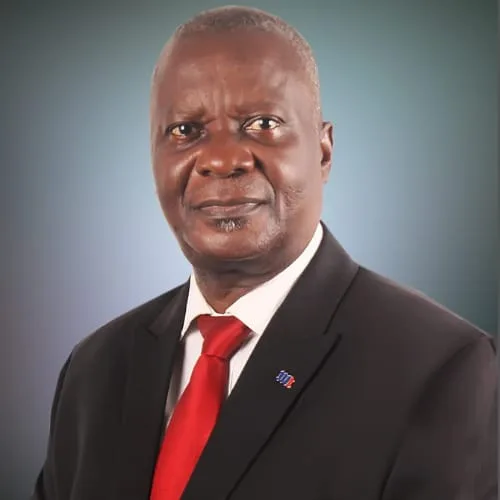
Dr. Obiora Madu
Chairman, Multimix Group
Trade, Logistics & Supply Chain Expert
Trade corridors remain fragmented. Logistics costs remain high. Supply chains are vulnerable to disruption. Digital systems do not always communicate with one another, while the skills required to manage increasingly complex supply chains remain uneven.
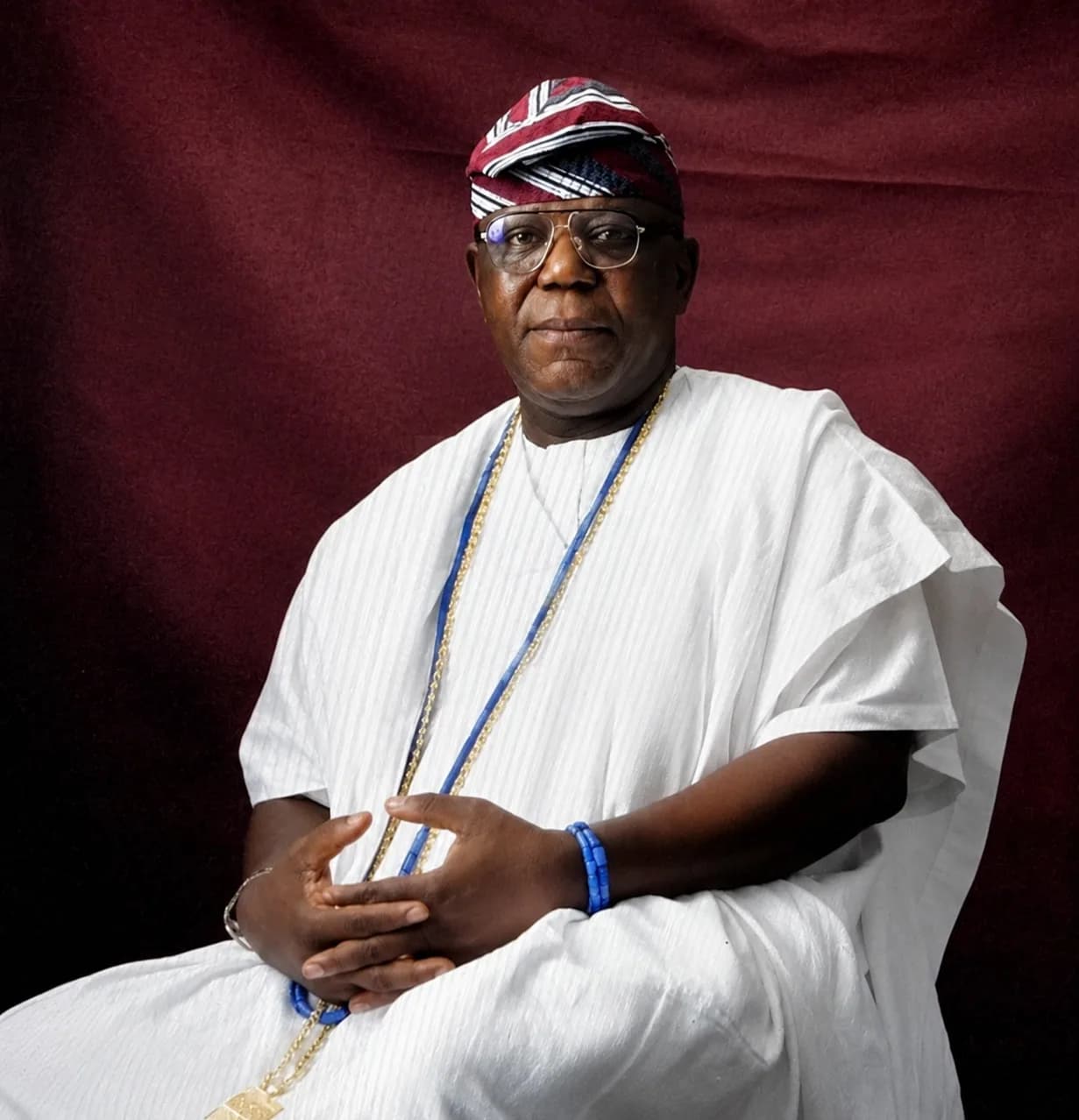
Prince Olusegun Oduntan
Managing Director & CEO, Settle Systems Nigeria Limited
National Vice President, Association of Nigerian Licensed Customs Agents (ANLCA)
In this Executive Conversation, Prince Olusegun Oduntan, National Vice President of ANLCA, examines the challenges affecting Nigeria’s trade and freight-forwarding ecosystem, from policy unpredictability and port delays to fragmented clearance processes. He emphasises that transparency, coordination and predictability are essential if Nigeria is to reduce trade costs and compete effectively under AfCFTA. “You cannot determine anything when the process is not predictable.”
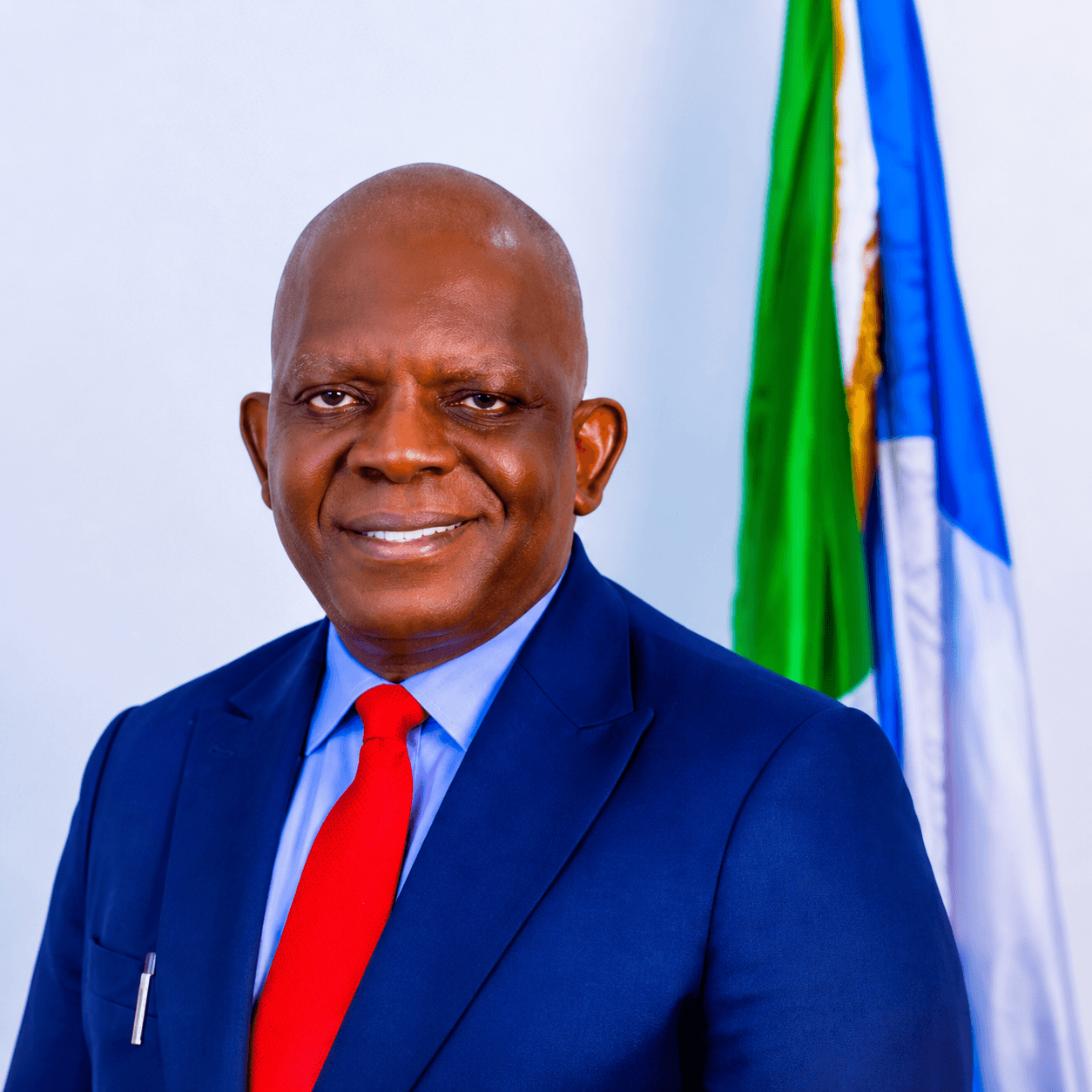
Dr. Pius Akutah, MON
Executive Secretary & CEO
Nigerian Shippers' Council
Africa’s maritime future is increasingly tied to the efficiency of its ports, logistics systems, and trade corridors. As Nigeria deepens its focus on the Marine and Blue Economy, the Nigerian Shippers' Council (NSC) is undergoing a major institutional transformation—from a traditional shipper protection agency into a broader economic regulator for the port and logistics sector.
Capt. Sunday M. Umoren
Secretary-General, Abuja Memorandum of Understanding (Abuja MoU) on Port State Control for West and Central Africa
Port State Control for West and Central Africa
The eradication of substandard ships remains the primary mandate of the Abuja MoU regime. Every activity we undertake—capacity building, inspector training, technical cooperation, and harmonisation of inspection procedures—is directed toward this objective.
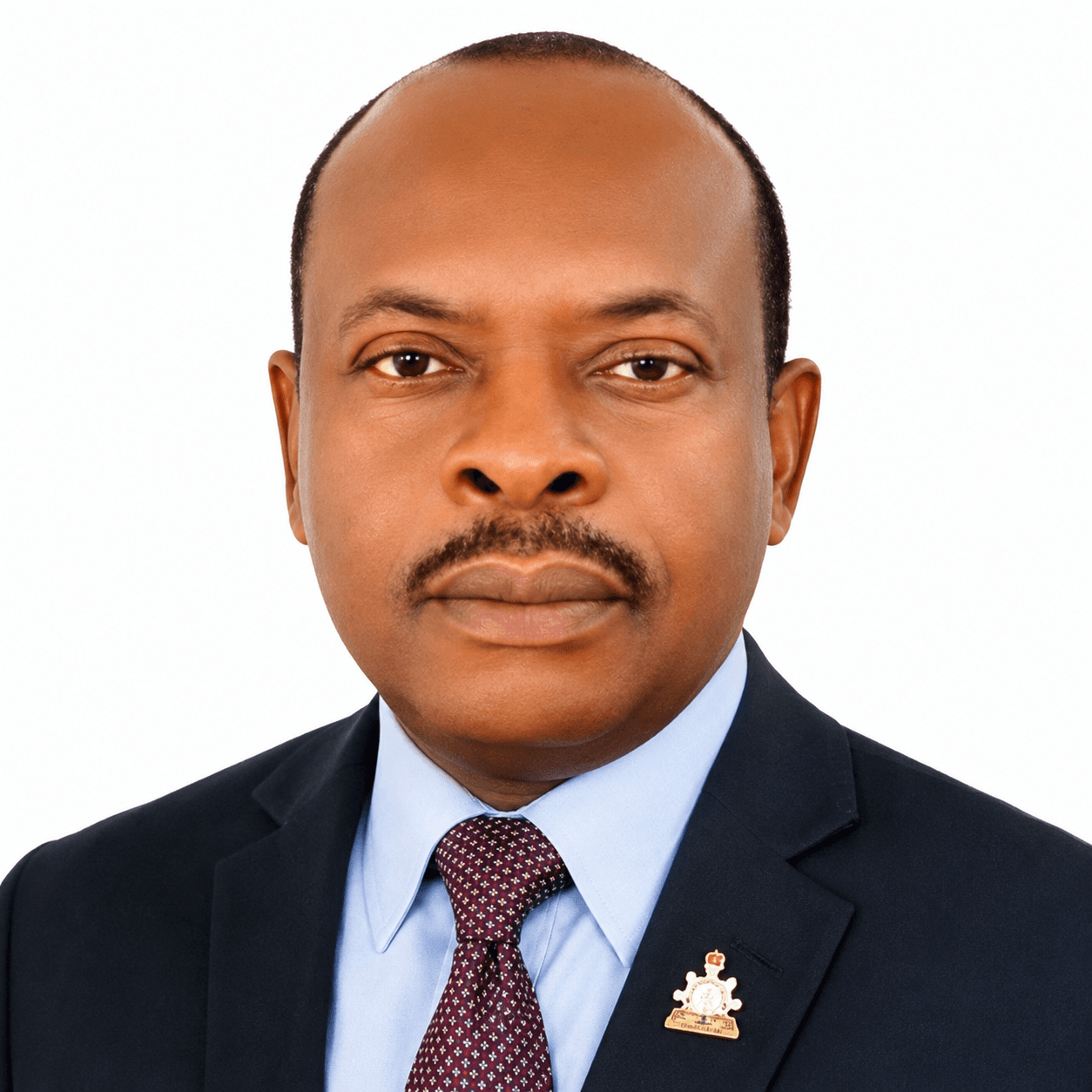
Dr. Kevin Okonna
Acting Rector, Maritime Academy of Nigeria (MAN)
Maritime Academy of Nigeria (MAN), Oron
One of our key achievements has been strengthening academic and operational stability while improving training delivery systems. We have recruited 11 maritime professional lecturers, including three Master Mariners and two marine engineers. One of them is an internationally recognised simulator training expert.
Stay Ahead of Africa's Maritime Story
Strategic intelligence, policy analysis, and industry perspectives — direct to your inbox, free.